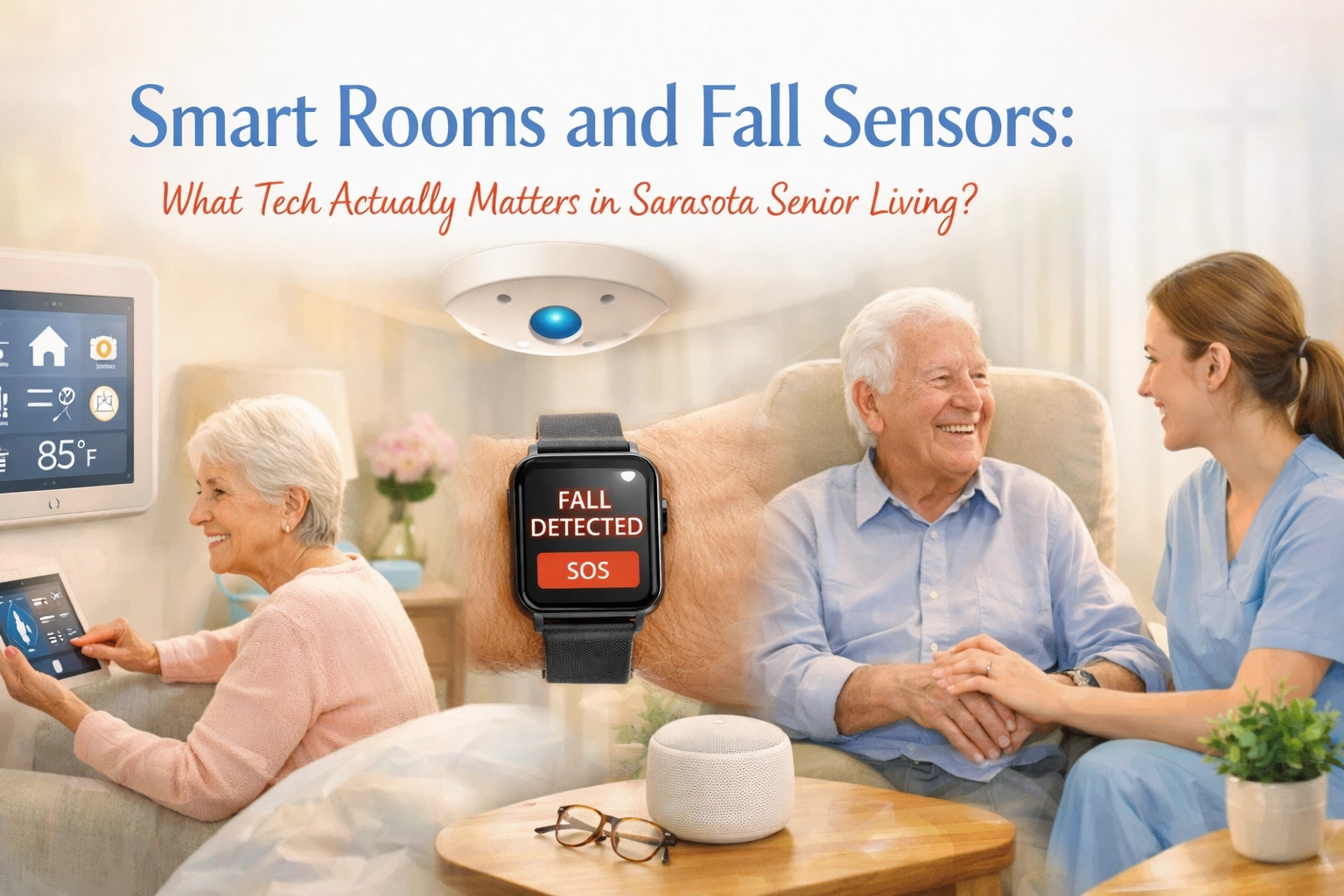
You walk into a senior living facility in Sarasota, and the sales director can't stop talking about their "cutting-edge smart technology." Voice-activated lights. Fall detection sensors. Automated medication dispensers. It sounds like living at the Jetsons' retirement community.
But here's the question nobody's asking: Does any of this tech actually help your mom? Or is it just expensive window dressing that looks great in the brochure?
Let's cut through the marketing buzz and figure out what technology in senior living sarasota facilities actually matters, and what's just there to justify a higher monthly rate.
The Fall Sensor Reality Check
Fall detection sensors are the poster child of senior living tech. Every facility that has them will mention them within the first five minutes of your tour. And honestly? This is one piece of technology that actually lives up to the hype.
Here's why fall sensors matter: When your dad falls at 2 AM, every second counts. Traditional call buttons require him to actually reach the button and press it. If he's unconscious, confused, or just can't reach it, he's lying there until someone happens to check on him during rounds.
Modern fall sensors detect the impact and angle of a fall automatically. They alert staff immediately. No button pressing required. Response times drop from potentially hours to literally minutes.
But not all fall sensors are created equal.
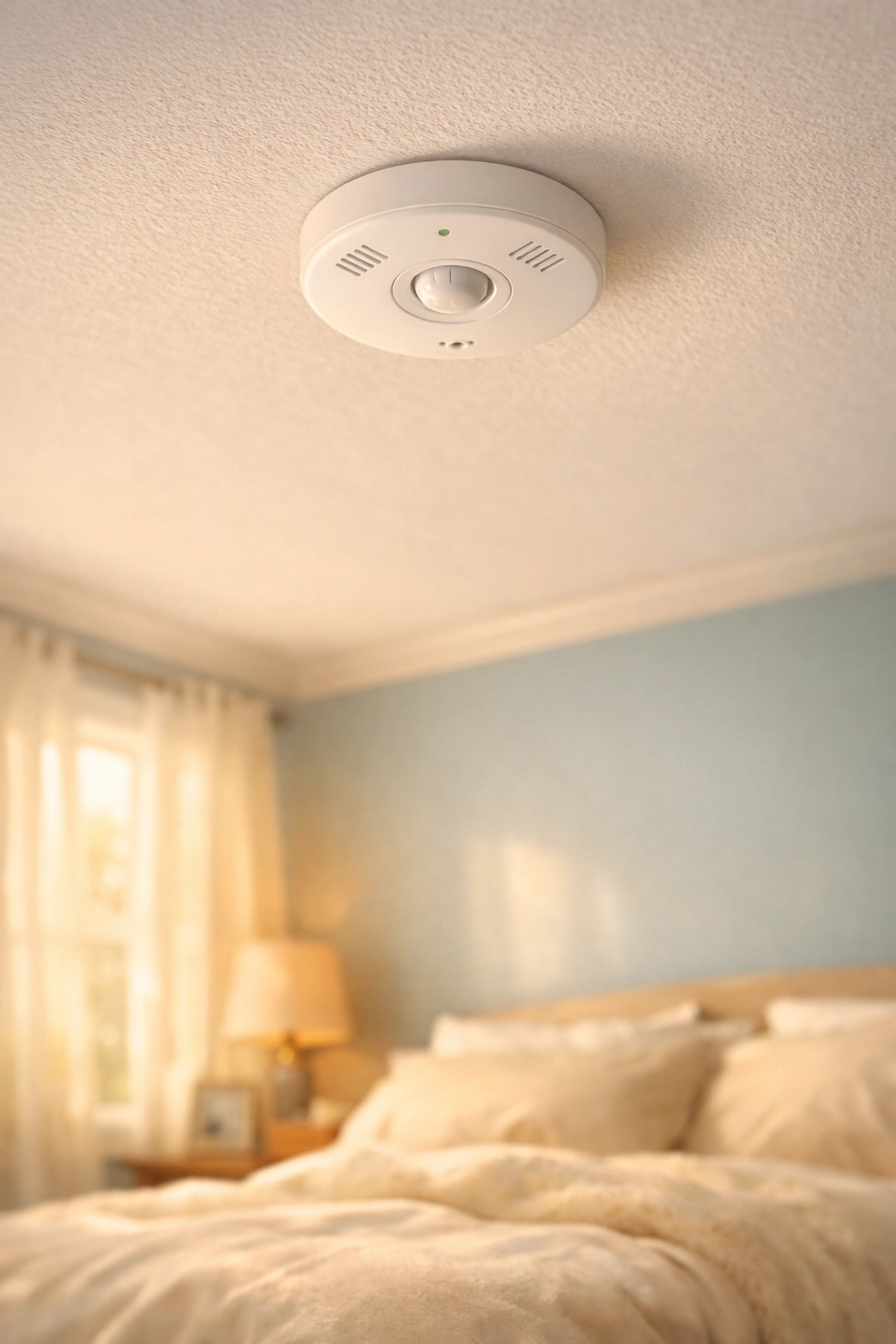
Some facilities use wearable pendants that your parent has to remember to wear (spoiler: they forget). Others use room-based sensors that monitor movement patterns and detect when someone hits the floor. The room-based systems work better because they don't rely on your parent remembering to wear something.
The real question to ask during your tour: "What's your average response time when a fall sensor goes off?" If they can't give you a specific number, or if they say "immediately" without any data to back it up, that's a red flag.
Smart Rooms: Helpful or Hype?
Voice-activated lights and thermostats sound cool. Your mom can just say "lights on" instead of fumbling for a switch. But here's what the brochures don't tell you: Most seniors over 75 aren't comfortable talking to their walls.
I've seen facilities spend thousands on smart room technology that residents simply refuse to use. They'll walk across the room to flip the physical light switch because that's what they've done for 80 years, and they're not about to start having conversations with their ceiling fan.
The smart room features that actually get used:
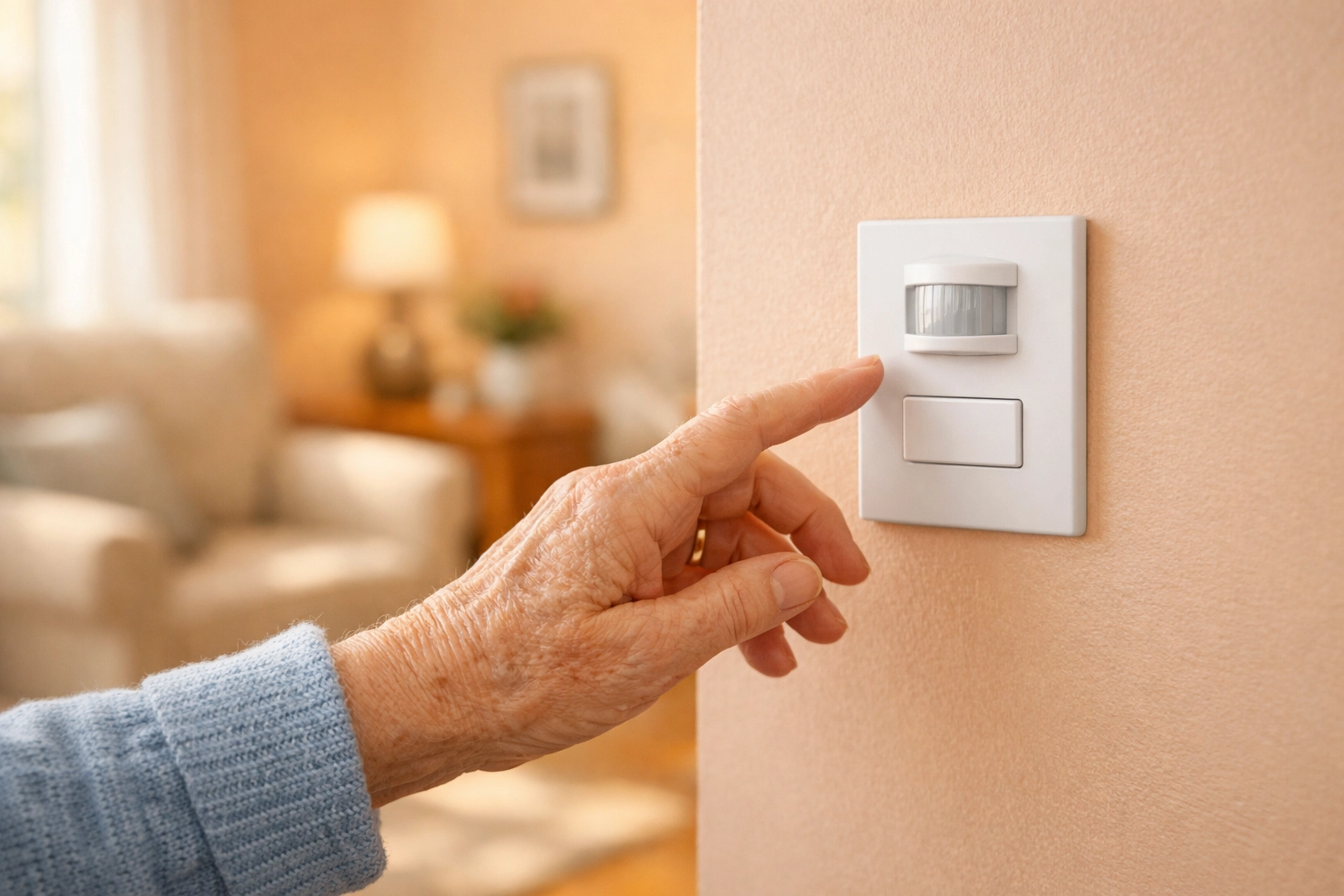
- Automated lighting that responds to motion (no voice commands required)
- Temperature controls that staff can adjust remotely if a resident keeps their room too hot or cold
- Door sensors that alert staff if someone wanders at night
- Medication dispensers with reminders and lockout features
Notice the pattern? The technology that works is the technology that doesn't require your parent to change their behavior or learn new tricks.
The Monitoring System Question
This is where things get uncomfortable. Some senior living facilities in Sarasota now use monitoring systems that track everything, movement patterns, bathroom visits, sleep quality, even how much time residents spend socializing.
On paper, this sounds invasive. In practice? It can be lifesaving.
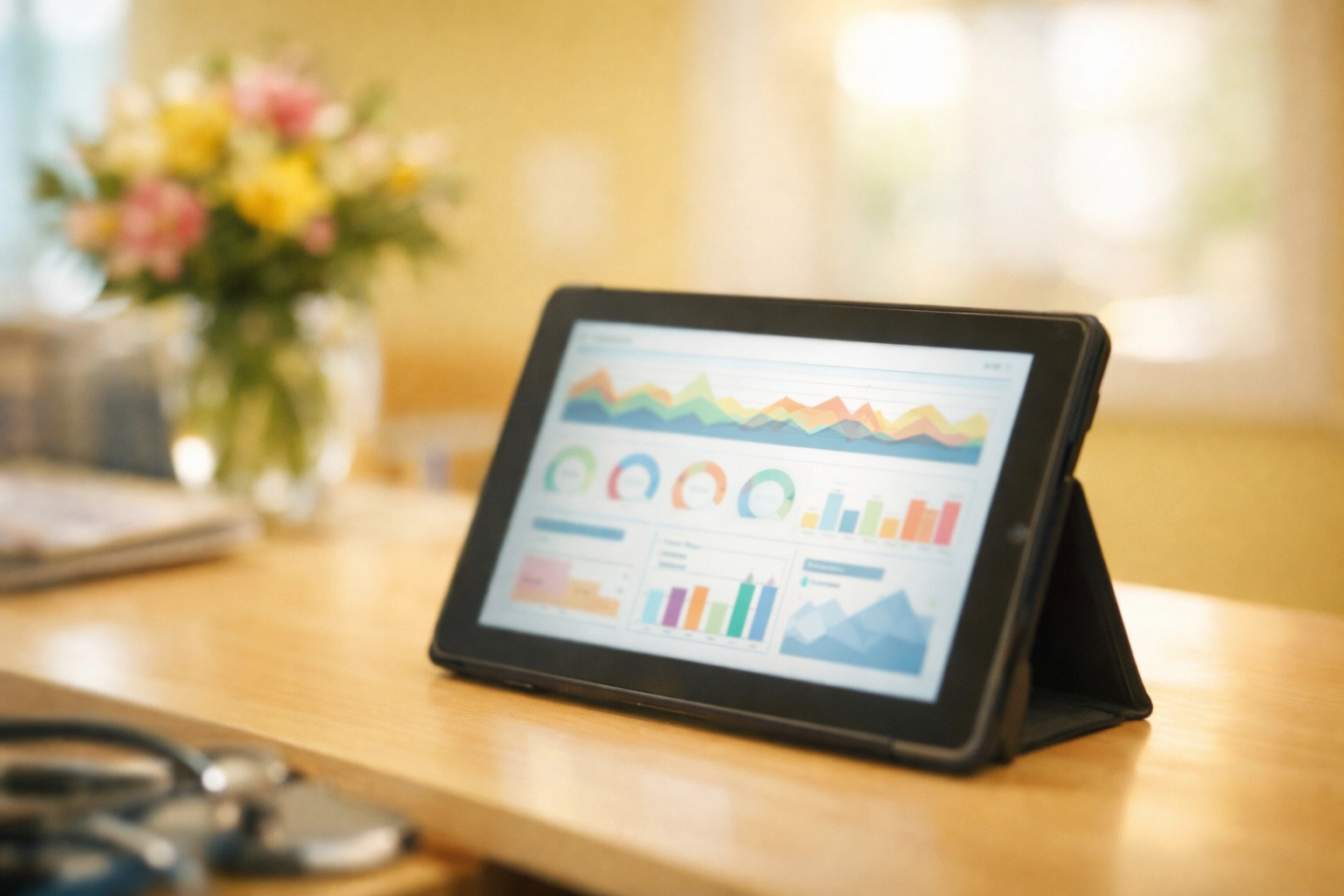
These systems can detect changes in behavior that signal health problems before they become emergencies. If your mom usually goes to the bathroom twice per night but suddenly starts going six times, that could indicate a UTI or diabetes issue. The system flags it, staff investigates, and you catch a problem early.
The key is transparency. You should know exactly what's being monitored, how the data is used, and who has access to it. Any facility that's vague about their monitoring practices is a hard no.
What Actually Improves Care (And What Doesn't)
After helping hundreds of families find the right fit in senior living sarasota communities, here's what I've learned about technology:
Technology that improves care:
- Fall detection with rapid response protocols
- Electronic health records that all staff can access instantly
- Medication management systems with double-check safeguards
- Emergency call systems that work reliably
- Monitoring that detects health changes early
Technology that's mostly for show:
- Fancy tablets residents never use
- Complex entertainment systems nobody can figure out
- Voice-activated everything (seriously, most residents hate this)
- High-tech gym equipment gathering dust
- Apps that require multiple passwords and updates
The best technology is invisible. Your parent doesn't know it's there, but it's quietly making their life safer and the staff's job more effective.
The Budget Reality
Here's the thing about high-tech facilities: Somebody's paying for all those sensors and smart systems. Usually, that somebody is you, through higher monthly fees.
A facility with basic safety technology might run $4,500/month for assisted living. The same level of care with all the bells and whistles? Could be $6,000+.
You need to ask yourself: Is the extra technology worth $1,500 more per month? Sometimes yes, sometimes no.
Technology is worth paying for when:
- Your parent has a high fall risk
- They have complex medication needs
- They tend to wander
- You live far away and need remote peace of mind
- They have early-stage dementia requiring subtle monitoring
Technology probably isn't worth the premium when:
- Your parent is relatively healthy and mobile
- They're good about following medication schedules
- The "technology" is mostly entertainment features
- The facility can't explain how the tech improves care outcomes
How to Actually Evaluate Tech During Your Tour
Don't just nod along when the sales director shows you the fancy control panel. Ask these specific questions:
"Can you show me your fall detection response protocol?" Not just the technology, but the actual process from alert to staff arrival.
"What percentage of residents actually use the smart room features?" This tells you if the tech is practical or just theoretical.
"How do you handle technology failures?" Everything breaks eventually. What's their backup plan?
"Can you share data on how this technology has improved outcomes?" Vague answers mean they don't track it, which means they don't know if it works.
"What happens if my mom can't or won't use the technology?" There should always be a non-tech alternative.
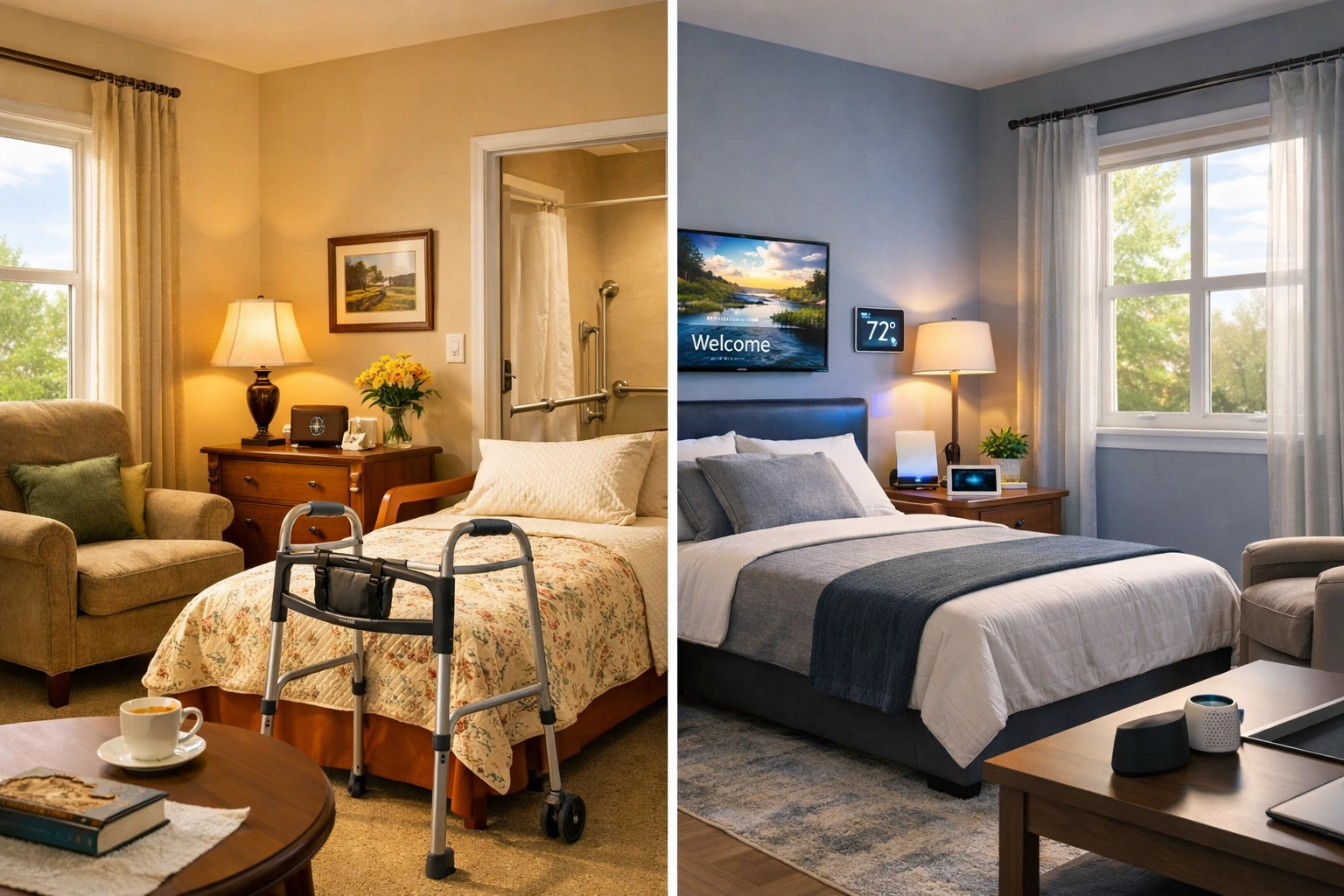
The Sarasota Senior Living Tech Landscape
In the Sarasota area, you'll find everything from facilities that barely have WiFi to communities that look like they're run by Silicon Valley. The newer developments around Lakewood Ranch and University Park tend to be more tech-forward. The smaller care homes in Venice and Englewood typically stick to basics.
Neither approach is automatically better. I've seen small facilities with simple call buttons provide exceptional care, and I've seen high-tech communities where residents feel like they're living in a science experiment.
The right answer depends entirely on your parent's needs and your budget.
How We Help You Find the Right Tech Balance
This is exactly why we exist. You shouldn't have to become an expert in senior living technology while also juggling your parent's health crisis, your job, and everything else.
We visit these facilities. We know which ones have technology that actually works versus technology that just looks impressive in the brochure. We know which communities train their staff properly on the systems versus which ones just install fancy equipment and hope for the best.
Most importantly, we help you figure out what level of technology your parent actually needs. Maybe your dad really does need that comprehensive fall detection system. Or maybe your mom would be fine with basic safety features and would rather spend the savings on better food or a nicer room.
We match your parent's specific needs with facilities that have the right technology at the right price point. No upselling. No steering you toward places that pay us more. Just honest guidance based on what actually works.
The Bottom Line on Senior Living Tech
Technology in senior living facilities isn't inherently good or bad. It's a tool. The question is whether it's the right tool for your parent's situation.
Fall sensors and health monitoring can genuinely improve safety and catch problems early. Smart room features mostly collect dust and jack up the monthly fees. Electronic health records help staff coordinate care better. Voice-activated curtains are ridiculous.
Focus on technology that improves safety and health outcomes. Be skeptical of technology that's mostly about convenience or entertainment. And always, always ask for data on how the technology actually performs.
Your parent doesn't need to live in a smart home. They need to live in a safe home with attentive staff and appropriate care. Sometimes technology helps with that. Sometimes it's just expensive noise.
Ready to find a senior living community in Sarasota that has the right technology for your parent's needs and your budget? Let's talk. We'll help you cut through the marketing hype and find a place where the technology actually matters: and where your parent will actually thrive.
Leave a Reply