Category: Uncategorized

  • The Real Cost of Senior Living in Sarasota (And 5 Hidden Fees to Watch For)

    The Real Cost of Senior Living in Sarasota (And 5 Hidden Fees to Watch For)

    Let's talk about the elephant in the room: money.

    If you're researching senior living options in Sarasota, you've probably noticed that getting a straight answer about costs feels like pulling teeth. Websites show starting prices that sound reasonable, but then you talk to a sales director and suddenly there are "care levels" and "service packages" and things that may or may not be included.

    You're not imagining it. Senior living pricing can be genuinely confusing. And unfortunately, families often discover unexpected costs after they've already moved Mom or Dad in.

    The good news? Once you know what to look for, it's much easier to compare apples to apples and avoid financial surprises down the road.

    What Senior Living Actually Costs in Sarasota

    Before we dive into hidden fees, let's establish the baseline. Assisted living in Sarasota typically ranges from $3,800 to $5,500 per month, with a median cost around $3,665. That's the starting point you'll see advertised.

    But that number shifts based on several factors:

    Apartment size matters. A studio runs about $4,500 monthly, while a one-bedroom jumps to $5,000-$5,700. If your loved one wants a two-bedroom (common for couples or those who want space for visiting family), you're looking at $6,200 or more.

    Care type matters even more. If we're talking about the full spectrum of senior living options:

    • Adult day health care: $2,080/month (most affordable)
    • Independent living: Generally lower than assisted living
    • Assisted living: $3,665-$5,500/month
    • Memory care: Typically 20-30% higher than assisted living
    • In-home care: $5,720/month
    • Nursing home care: $9,490-$10,615/month (most expensive)

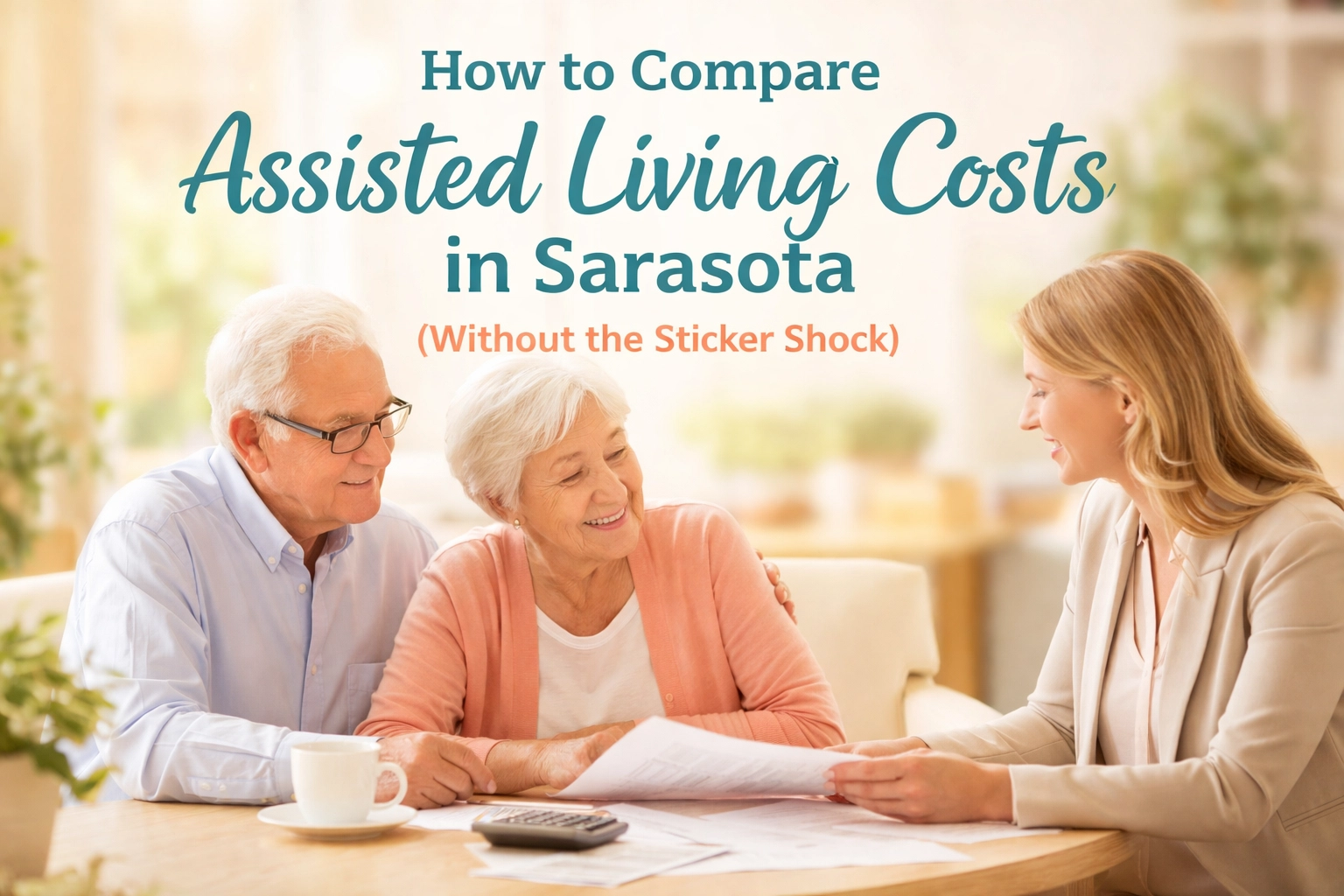
    Senior couple reviewing Sarasota assisted living costs and budgeting for care expenses

    One silver lining? Florida has no state income tax, which means your loved one's retirement income and Social Security stretch further here than in many other states.

    The 5 Hidden Fees You Need to Ask About

    Here's where things get interesting. Many communities advertise their base rate prominently, but there are several additional costs that only come up during the fine print conversation.

    1. Care Level Increases (The Big One)

    This is the most common "hidden" cost families encounter. Most assisted living communities use a tiered care system. You might move in at "Level 1 care," but as your loved one needs more assistance, they bump up to Level 2, then Level 3.

    Each level increase can add $500-$1,500 to your monthly bill.

    What triggers a level change? It varies by community, but common reasons include:

    • Needing help with additional activities of daily living (bathing, dressing, toileting)
    • Requiring medication reminders or administration
    • Needing more frequent check-ins or mobility assistance
    • Increased fall risk requiring additional monitoring

    What to ask: "How many care levels do you have, and what's the cost of each? What specific services are included at each level? How often are care needs reassessed?"

    2. Community Fees and Move-In Costs

    Beyond your monthly rate, many communities charge upfront fees. These might be called:

    • Community fee (one-time)
    • Application fee
    • Processing fee
    • Security deposit (sometimes refundable)

    These can range from a few hundred dollars to several thousand. Some communities require first and last month's rent upfront, similar to an apartment lease.

    What to ask: "What are all the one-time costs to move in? Are any of these fees refundable if we change our minds or if my loved one needs to move out?"

    Detailed pricing sheet showing itemized senior living fees and hidden costs in Sarasota

    3. The "A La Carte" Trap

    Here's where it gets tricky. Some communities advertise an all-inclusive rate that covers everything: meals, housekeeping, transportation, activities, and care services. Others charge separately for many of these services.

    On the surface, an all-inclusive community might look more expensive. But when you add up the à la carte charges at the "cheaper" place, you often end up paying more.

    Services that might cost extra:

    • Transportation to medical appointments ($25-$50 per trip)
    • Guest meals ($8-$15 per meal)
    • Extra housekeeping beyond the weekly standard ($50+ per visit)
    • Special activity outings ($20-$75 per outing)
    • Laundry service for personal items
    • Cable TV or upgraded internet

    What to ask: "Is your monthly rate all-inclusive or do you charge separately for services? Can I see a complete list of what's included versus what costs extra?"

    4. Medication Management Fees

    This one catches people off guard. Some communities include basic medication reminders in their base rate but charge extra for actual medication administration. The difference?

    • Medication reminders: Staff tells your loved one it's time to take their pills (usually included)
    • Medication administration: Staff actually opens the bottles, counts the pills, and hands them to your loved one (often an extra $200-$500/month)

    For residents with memory issues or complicated medication schedules, administration is necessary. But you might not realize it's an extra charge until you're reviewing the contract.

    What to ask: "What level of medication support is included in the base rate? If my loved one needs full medication administration, what does that cost?"

    Family discussing senior living options and care costs together in Sarasota

    5. Second Occupant and Guest Fees

    If you're looking at senior living for a couple, pay attention. Many communities charge their rates per person, not per apartment. That "starting at $4,500" rate might be $8,000+ for two people sharing a one-bedroom.

    Additionally, if family wants to visit and stay overnight, some communities charge guest fees ranging from $25-$75 per night.

    What to ask: "Is your rate per person or per apartment? If my parents are both moving in, what's the total monthly cost? Do you charge for overnight guests?"

    How to Navigate the Pricing Conversation

    Now that you know what to watch for, here's how to have productive pricing conversations with communities:

    Get everything in writing. Don't rely on verbal promises about what's included. Ask for a detailed pricing sheet that breaks down all costs.

    Compare the same care level. If you're touring multiple communities, make sure you're comparing the same level of care. Otherwise, you're not getting an accurate comparison.

    Think six months ahead. Your loved one's needs will likely increase over time. Ask what the cost would be if they needed a higher level of care. This gives you a realistic long-term budget.

    Ask about rate increases. How often do rates go up? By what percentage? Some communities increase rates annually, others more frequently.

    Understand move-out policies. What happens if your loved one needs to move to memory care or a nursing home? Are there penalties for breaking the lease early?

    You Don't Have to Figure This Out Alone

    Here's the thing: you shouldn't need a finance degree to understand senior living pricing. But the reality is that comparing communities can feel like comparing health insurance plans: complicated, full of fine print, and designed to make your head spin.

    That's exactly why we exist.

    At Assisted Living Locators of Sarasota, we help families navigate the entire senior living search process, including the money conversation. We know which communities are truly all-inclusive, which ones have the most transparent pricing, and which ones have a history of surprise fees.

    Best part? Our service is completely free to families. Communities pay us to make qualified referrals, which means you get expert guidance without adding another expense to your budget.

    We'll help you:

    • Understand your loved one's actual care needs (not oversell or undersell)
    • Identify communities that fit both care needs AND budget
    • Ask the right questions during tours
    • Compare total costs, not just advertised rates
    • Negotiate when possible

    Ready to get some clarity on senior living options and costs? Let's chat. We'll help you figure out what makes sense for your family( without the sticker shock down the road.)

  • Choosing Assisted Living in Sarasota? 7 Questions to Ask on Every Tour

    Choosing Assisted Living in Sarasota? 7 Questions to Ask on Every Tour

    Touring assisted living communities can feel overwhelming. You're making a major decision for someone you love, and you want to get it right. The brochures all look great, the communities seem nice, but how do you really know what's happening behind the scenes?

    The truth is, the questions you ask matter more than the sales pitch you'll hear. We've helped hundreds of Sarasota families navigate this process, and we've learned that asking the right questions during your tour makes all the difference.

    Here are seven essential questions to ask at every community you visit: and what to listen for in the answers.

    1. What's Your Caregiver-to-Resident Ratio?

    This is where you'll learn whether your loved one will actually get the attention they need. A fancy lobby doesn't mean much if there aren't enough staff members to help residents.

    Ask specific questions:

    • How many caregivers work during the day shift? What about overnight?
    • Is someone on-site 24/7?
    • What medical personnel are available during evening and night hours?

    Caregiver helping senior resident walk in Sarasota assisted living facility hallway

    If your loved one needs help with medications, mobility, or has specific health concerns, nighttime staffing becomes especially important. You want to hear concrete numbers, not vague reassurances like "we have plenty of staff."

    Pay attention to how current residents interact with staff members during your tour. Do staff know residents by name? Do they seem rushed or relaxed?

    2. How Do You Help New Residents Adjust?

    Moving to assisted living is a massive life change. Even when it's the right decision, it's still hard.

    The best communities have a real plan for making newcomers feel welcome. Ask about:

    • Orientation programs for new residents and their families
    • How staff introduces new residents to the community
    • What happens during the first week to help someone settle in
    • Whether there's a buddy system or welcome committee

    Communities that take adjustment seriously will walk you through their process step-by-step. If you get a shrug or "they usually figure it out," that's a red flag.

    3. What Safety Features and Emergency Protocols Do You Have?

    Your loved one's safety isn't just about preventing falls: though that's important too. You need to understand the full picture of how the community keeps residents secure.

    Essential safety questions include:

    • Are there emergency call buttons in every room and bathroom?
    • What fall-prevention measures are in place?
    • How do you handle after-hours emergencies?
    • What security measures protect residents from wandering or unauthorized visitors?

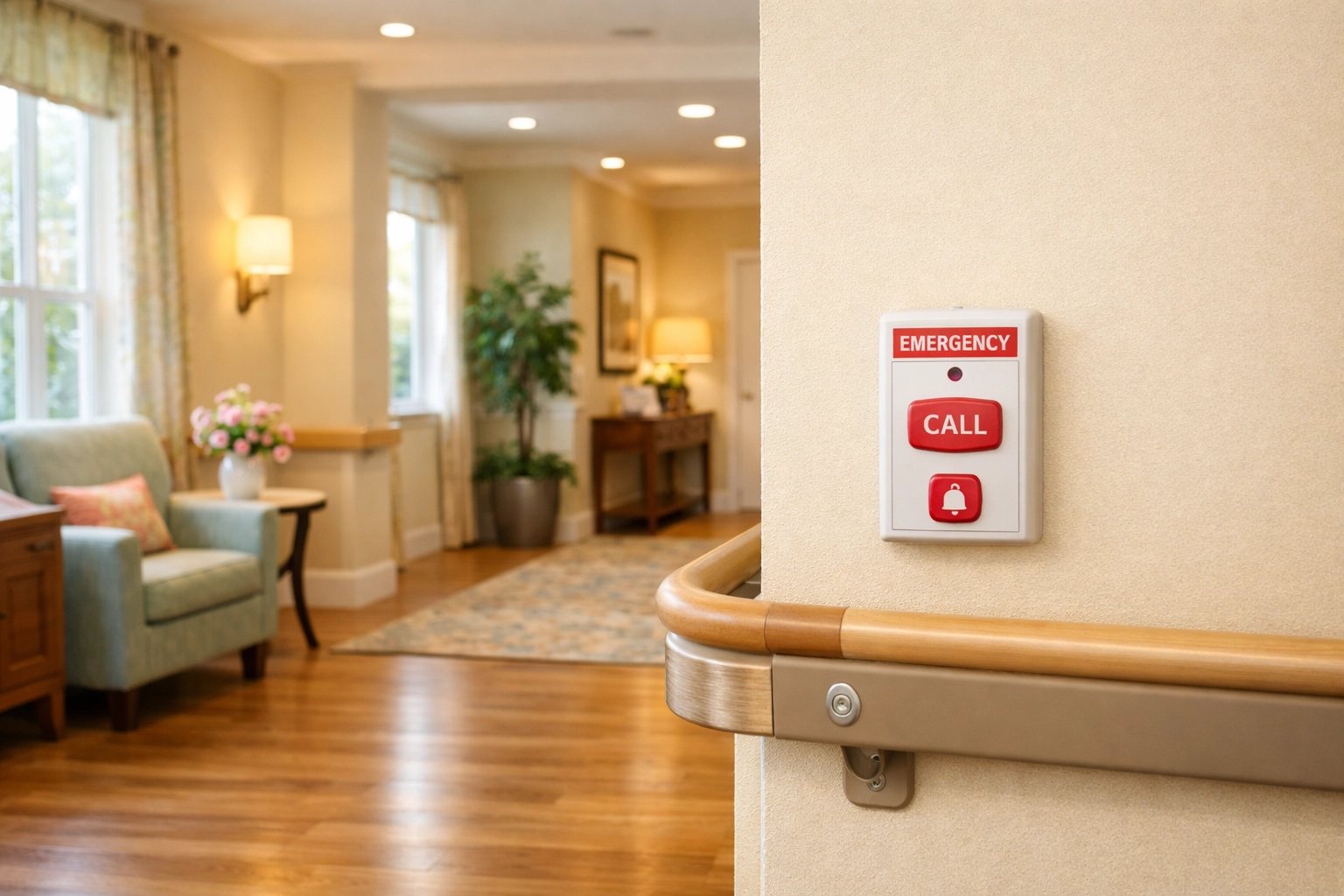
    Safety features including handrails and emergency call button in assisted living hallway

    If the community has memory care residents, ask about staff training for handling residents who might wander. Even if your loved one doesn't need memory care now, knowing the community can handle changing needs matters.

    Don't just accept a list of features. Ask them to show you the emergency systems during your tour.

    4. What Activities and Programs Do You Offer?

    You're not just looking for a safe place for your loved one to live: you want them to actually enjoy life. Activities make the difference between existing and thriving.

    Get specific:

    • Can I see your calendar for this month?
    • Which activities are most popular with current residents?
    • How do you accommodate different ability levels?
    • Are activities optional or do you encourage participation?
    • What opportunities exist for socializing?

    Ask current residents what they do for fun. Their answers will tell you more than any activity director can. If residents seem engaged and enthusiastic, that's a great sign.

    5. What Are the Living Spaces and Visitation Policies?

    Your loved one needs a space that feels like home, not just a room. And you need to know you can visit without jumping through hoops.

    Important questions about accommodations:

    • What sizes of living spaces are available?
    • Can I see several different room options?
    • What furniture and personal items can residents bring?
    • Are there private rooms available, or only shared spaces?

    Seniors enjoying art class activities at assisted living community in Sarasota

    For visitation, ask:

    • What are your visiting hours?
    • Can family members join for meals?
    • Are there guest accommodations for out-of-town family?
    • How do you involve families in care decisions?

    The best communities welcome family involvement and make it easy for you to stay connected with your loved one.

    6. How Do You Handle Changes in Care Needs?

    Here's something many families don't think about until it's too late: What happens when your loved one's needs change?

    Most people who move into assisted living will need more support over time. You want a community that can adapt without forcing your loved one to move again.

    Ask about:

    • How often do you reassess care needs?
    • Can residents transition between care levels within the same community?
    • What's the process for adjusting a care plan?
    • At what point would a resident need to move to a different facility?

    Communities with multiple care types on the same campus offer real advantages. Your loved one might start in independent living, transition to assisted living, and eventually need memory care: all without changing communities.

    Understanding how the community handles these transitions now prevents difficult surprises later.

    7. What Meal Services Do You Provide?

    Food matters. A lot. Your loved one will eat three meals a day in this community, so dining quality directly impacts their quality of life.

    Questions to ask:

    • Can I see this week's menu?
    • How much flexibility do residents have in meal timing and choices?
    • Can residents eat in their rooms if they prefer?
    • Are you able to accommodate dietary restrictions and preferences?
    • How do you handle residents who need assistance eating?

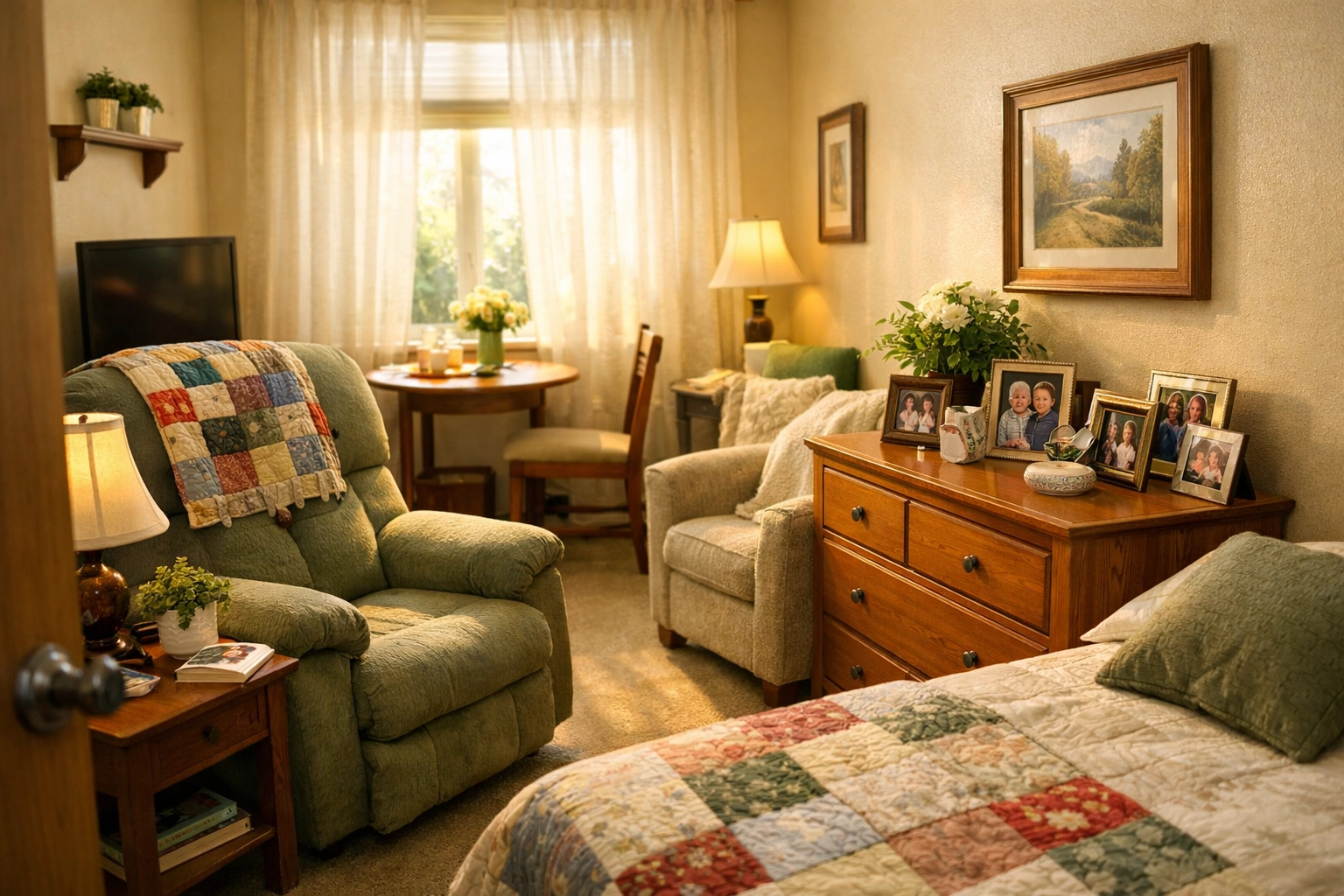
    Personalized assisted living apartment with resident's furniture and family photos

    If possible, schedule your tour during a meal time so you can eat in the dining room. The food should look appealing and actually taste good. Notice whether residents seem to enjoy their meals and socialize during dining.

    What to Do With Your Answers

    After touring several communities, your head might be spinning with information. That's completely normal.

    Take notes during each visit. Write down specific answers to these questions, not just general impressions. When you review your notes later, patterns will emerge. You'll notice which communities gave detailed, confident answers and which ones dodged questions or seemed unprepared.

    Trust your gut, but verify your instincts with facts. The community that felt warm and welcoming should also have solid answers about staffing, safety, and care transitions.

    You Don't Have to Figure This Out Alone

    Choosing the right assisted living community in Sarasota is too important to rush. These seven questions will help you cut through the marketing and understand what daily life really looks like for residents.

    If you're feeling overwhelmed by the options or not sure where to start your search, we're here to help. We've spent years getting to know communities throughout Sarasota, Lakewood Ranch, Bradenton, and Venice. We know which ones match up their promises with reality.

    Our service is completely free for families: we're paid by the communities, never by you. That means we can give you honest guidance without any pressure.

    Contact us for a personalized recommendation based on your loved one's specific needs and preferences. We'll help you narrow down your options and know exactly what to look for during your tours.

    You're making this decision because you care deeply about your loved one's wellbeing. With the right questions and honest answers, you'll find a community where they can truly thrive.

  • How to Choose the Best Assisted Living in Sarasota (2026 Comparison Guide)

    How to Choose the Best Assisted Living in Sarasota (2026 Comparison Guide)

    Choosing assisted living for your loved one is one of the most important decisions you'll ever make. And if you're looking in Sarasota, you've probably already discovered there are dozens of options: each claiming to be the best.

    So how do you actually compare them? What really matters when you're touring communities and reading brochures?

    This guide breaks down exactly what to look for when choosing assisted living in Sarasota, so you can make a confident decision that's right for your family.

    Step 1: Understand What Level of Care Your Loved One Actually Needs

    Before you start comparing communities, get clear on what your parent or loved one actually needs right now: and what they might need in the next few years.

    Ask yourself:

    • Can they still manage basic daily tasks like bathing, dressing, and meal preparation?
    • Do they need help with medications?
    • Are there any cognitive concerns like memory loss or confusion?
    • Do they have mobility issues that require specialized support?

    Standard assisted living is ideal for seniors who need help with daily activities but don't require round-the-clock medical care. Communities like The Meadows of Sarasota and SaraBella Senior Living offer restaurant-style dining, housekeeping, transportation, and social activities: plus assistance with personal care as needed.

    Memory care is designed specifically for dementia and Alzheimer's care. These communities have specialized staff training, secure environments, and programming tailored to cognitive decline. Liana of North Sarasota, for example, trains every staff member: from the kitchen to maintenance: in dementia care approaches.

    Full continuum care means everything is on one campus. If your loved one's needs change over time, they won't have to move to a different facility. Aviva Senior Living is Sarasota's only not-for-profit community offering independent living, assisted living, memory care, and skilled nursing all in one location.

    Family discussing assisted living care options for elderly parent in Sarasota

    Step 2: Set Your Budget (And Understand What's Included)

    Assisted living costs in Sarasota vary widely: typically ranging from $3,500 to $6,500 per month depending on the level of care and community amenities.

    Here's what you need to know:

    Base rate vs. care tiers: Most communities charge a base rate that covers housing, meals, and basic services. Then they add tiered pricing based on how much personal care your loved one needs. Make sure you understand exactly what's included in the base rate and what costs extra.

    One-time fees: Some communities charge a community fee (sometimes called an entrance fee) when you move in. This can range from $1,000 to $5,000 or more.

    What's typically included:

    • Three meals daily (restaurant-style dining)
    • Housekeeping and laundry services
    • Scheduled transportation
    • Activities and social programming
    • Utilities (except phone and cable)
    • 24/7 staff availability

    What usually costs extra:

    • Personal care services (bathing, dressing, medication management)
    • Specialized therapies
    • Beauty salon and barber services
    • Guest meals
    • Premium cable or internet

    Get a complete breakdown of costs before you make any decisions. And ask how pricing changes if care needs increase. You can learn more about assisted living costs in Sarasota here.

    Step 3: Compare Community Culture and Daily Life

    Your loved one isn't just choosing a place to receive care: they're choosing where they'll live. Community culture matters.

    Visit at different times of day: Tour during meals, activities, and downtime. Do residents seem engaged and happy? Is the staff interacting warmly with residents or just going through the motions?

    Look at the activities calendar: A good community offers a variety of activities that match different interests and ability levels: not just bingo. Look for:

    • Exercise classes tailored to seniors
    • Educational programs and guest speakers
    • Creative activities like art and music
    • Outings to local attractions
    • Intergenerational programs (81 Oaks, for example, incorporates community interaction into their programming)

    Check the dining experience: Food is a huge part of quality of life. Ask to sample a meal. Is the dining room inviting? Are there menu choices? Can they accommodate dietary restrictions? HarborChase of Sarasota emphasizes farm-to-table dining: that's the kind of detail that shows they care about the experience.

    Ask about pets: If your loved one has a furry companion, find out if the community is pet-friendly. Many Sarasota communities welcome pets, but policies vary.

    Seniors enjoying restaurant-style dining at Sarasota assisted living community

    Step 4: Evaluate Staff Training and Turnover

    The staff will be caring for your loved one every single day. Their training, attitude, and consistency matter more than fancy lobbies.

    Questions to ask:

    • What's the staff-to-resident ratio during the day? At night?
    • How do you train staff on dementia care, fall prevention, and emergency response?
    • What's your average staff tenure? (High turnover is a red flag)
    • Are there licensed nurses on staff 24/7?
    • How do you handle staff absences to maintain consistency?

    Communities that invest in comprehensive staff training: like Liana of North Sarasota training every employee in dementia care: typically provide better, more consistent care.

    Step 5: Check Licensing, Inspections, and Safety

    Florida has specific licensing requirements for assisted living facilities. Make sure any community you're considering is properly licensed and in good standing.

    What to review:

    • Ask to see the most recent state inspection report
    • Check for any violations or deficiencies and how they were addressed
    • Verify the community's license is current
    • Ask about their emergency preparedness plan (hurricane readiness is especially important in Sarasota)
    • Review their infection control protocols
    • Understand their security measures (especially important for memory care)

    Don't be afraid to ask tough questions. A reputable community will be transparent about their track record.

    Step 6: Understand What Happens as Needs Change

    Your loved one's needs will likely change over time. What happens then?

    Aging in place: Some communities allow residents to age in place, bringing in additional services as needs increase. Others require residents to move to a different level of care or a different facility entirely.

    Care level transitions: If the community offers multiple levels of care, understand:

    • How transitions are handled
    • Whether your loved one can stay in the same building or campus
    • How much advance notice is given before a transition
    • What the cost difference will be

    End-of-life care: Ask if the community partners with hospice providers and how they support residents and families during end-of-life transitions.

    Compassionate assisted living staff providing care to senior in Sarasota

    Step 7: Consider Location and Family Access

    Location matters more than you might think.

    Proximity to family: Can you visit regularly? For most families, being within 20-30 minutes makes a huge difference in visitation frequency.

    Access to medical care: Is the community near quality hospitals and specialists? Sarasota Memorial Hospital and other healthcare facilities are important considerations.

    Neighborhood amenities: Is the community in a walkable area with shops, parks, and restaurants nearby? Even if your loved one doesn't drive, outings with staff or family are more enjoyable when there are local destinations.

    Climate and outdoor space: Sarasota's beautiful weather is one of its biggest assets. Look for communities with outdoor spaces, walking paths, and comfortable areas to enjoy the sunshine.

    Step 8: Trust Your Gut (And Your Loved One's)

    After all the research and tours, pay attention to how you and your loved one feel.

    • Does the staff seem genuinely caring or just polite?
    • Can you picture your loved one living here and being happy?
    • Do current residents seem content?
    • Does the community feel like a home or an institution?

    Your instincts matter. If something feels off during a tour, there's probably a reason.

    Making Your Final Decision

    Once you've narrowed down your options, create a simple comparison chart. Rate each community on:

    • Level of care provided
    • Cost and value
    • Staff quality and training
    • Activities and engagement
    • Dining quality
    • Location and accessibility
    • Overall atmosphere

    Then involve your loved one in the final decision as much as possible. This is their home. Their input and comfort level should carry significant weight.

    Get Help Making the Right Choice

    Choosing assisted living doesn't have to feel overwhelming. We've helped hundreds of Sarasota families find the perfect community for their loved ones: and our services are completely free to you.

    We'll take the time to understand your specific situation, answer all your questions, and connect you with communities that truly match your needs and budget.

    Contact us today or take our free care assessment to get personalized recommendations for your loved one.

    You don't have to figure this out alone.

  • 7 Mistakes You’re Making When Choosing Memory Care in Sarasota (and How to Fix Them)

    7 Mistakes You’re Making When Choosing Memory Care in Sarasota (and How to Fix Them)

    Choosing memory care for your loved one is one of the hardest decisions you'll ever make. It's emotional, overwhelming, and there's so much to consider. And honestly? Most families make at least a few mistakes along the way, not because they don't care, but because this process is just plain difficult.

    The good news is that once you know what to watch out for, you can avoid the most common pitfalls and find the right place for your parent or spouse. Here are seven mistakes families make when choosing memory care in Sarasota, and how to fix them before it's too late.

    1. Waiting Too Long to Start Looking

    The Mistake: You know your loved one needs help. You've seen the signs, confusion, wandering, forgetting to eat. But making the call to move them into memory care feels like giving up. So you wait. And wait. Until there's a crisis.

    The problem? Memory decline doesn't pause while you gather your courage. It progresses. And when you finally do start looking, you're rushed, stressed, and making decisions under pressure instead of with clarity.

    How to Fix It: Start your search as soon as you recognize the need. This doesn't mean you have to move your loved one tomorrow. It means giving yourself time to research facilities, take tours, and make an informed decision without panic.

    Early planning also gives you leverage. You can compare options, ask tough questions, and find the best fit instead of settling for whatever has an opening during an emergency.

    Family researching memory care options in Sarasota together at home

    2. Rushing Into the First Available Spot

    The Mistake: On the flip side, some families rush the process. They feel guilty, overwhelmed, or pressured by a hospital discharge, so they pick the first facility with availability without doing proper research.

    This often leads to regret. You might discover later that the facility doesn't specialize in your loved one's type of dementia, or that the staff-to-resident ratio is too low, or that the costs are higher than comparable communities.

    How to Fix It: Take your time. Visit at least three to five memory care communities in Sarasota before making a decision. Compare their base rates, included services, staff qualifications, and care philosophies side-by-side.

    Ask detailed questions about their care plans. Request references from current families. Check online reviews. Yes, this takes effort: but your loved one deserves a thoughtful choice, not a hasty one.

    3. Falling for Pretty Interiors Instead of Practical Design

    The Mistake: You walk into a memory care facility and it's gorgeous. High ceilings, elegant furniture, a grand piano in the lobby. You're impressed. But here's the thing: those features are designed to wow visitors, not to help residents with dementia navigate their day.

    A beautiful but confusing layout can actually make life harder for someone with memory loss. Long, identical hallways are disorienting. Loud, expansive dining rooms are overstimulating. Fancy decor doesn't matter if your mom can't find her way back to her room.

    How to Fix It: Evaluate the facility from your loved one's perspective, not your own. Look for:

    • Color-coded hallways that help with navigation
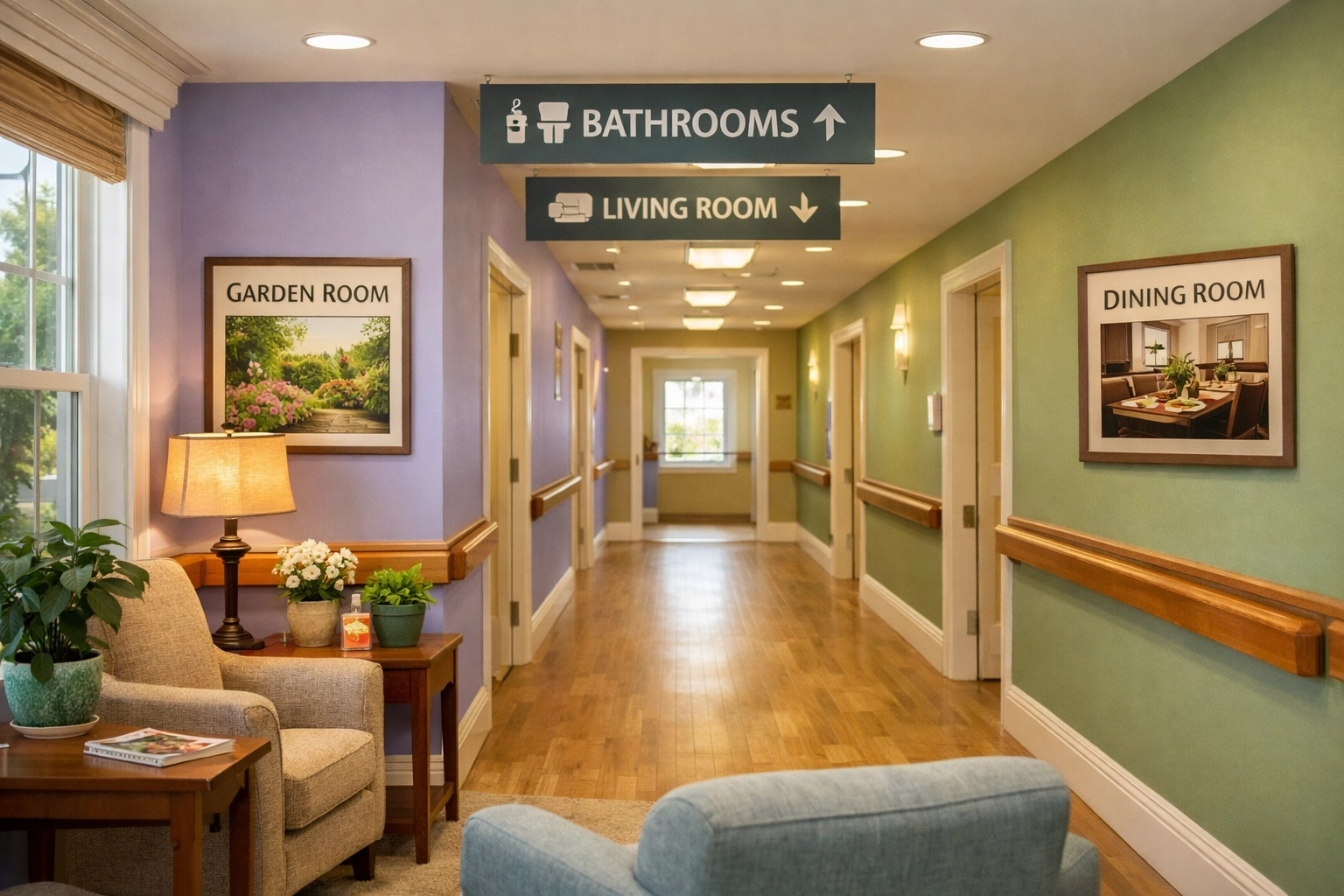
    • Clear signage with pictures, not just words
    • Secure outdoor spaces for safe wandering
    • Quieter, smaller dining areas that reduce overstimulation
    • Familiar, homelike settings rather than institutional vibes
    • Safety features like handrails, non-slip floors, and keypad entries

    Ask the staff how they use design to support residents with dementia. If they can't give you specific examples, that's a red flag.

    Well-designed memory care facility hallway with color-coded walls and safety features

    4. Skipping the Safety and Layout Check

    The Mistake: You're focused on staff credentials and activities calendars (both important!), but you forget to evaluate the actual physical environment. This is a big miss, because poor facility design can lead to falls, confusion, and safety issues.

    Things to watch for: inadequate lighting, lack of backup power, confusing floor plans, missing safety features, no fall prevention measures, or areas where residents could easily get lost or injured.

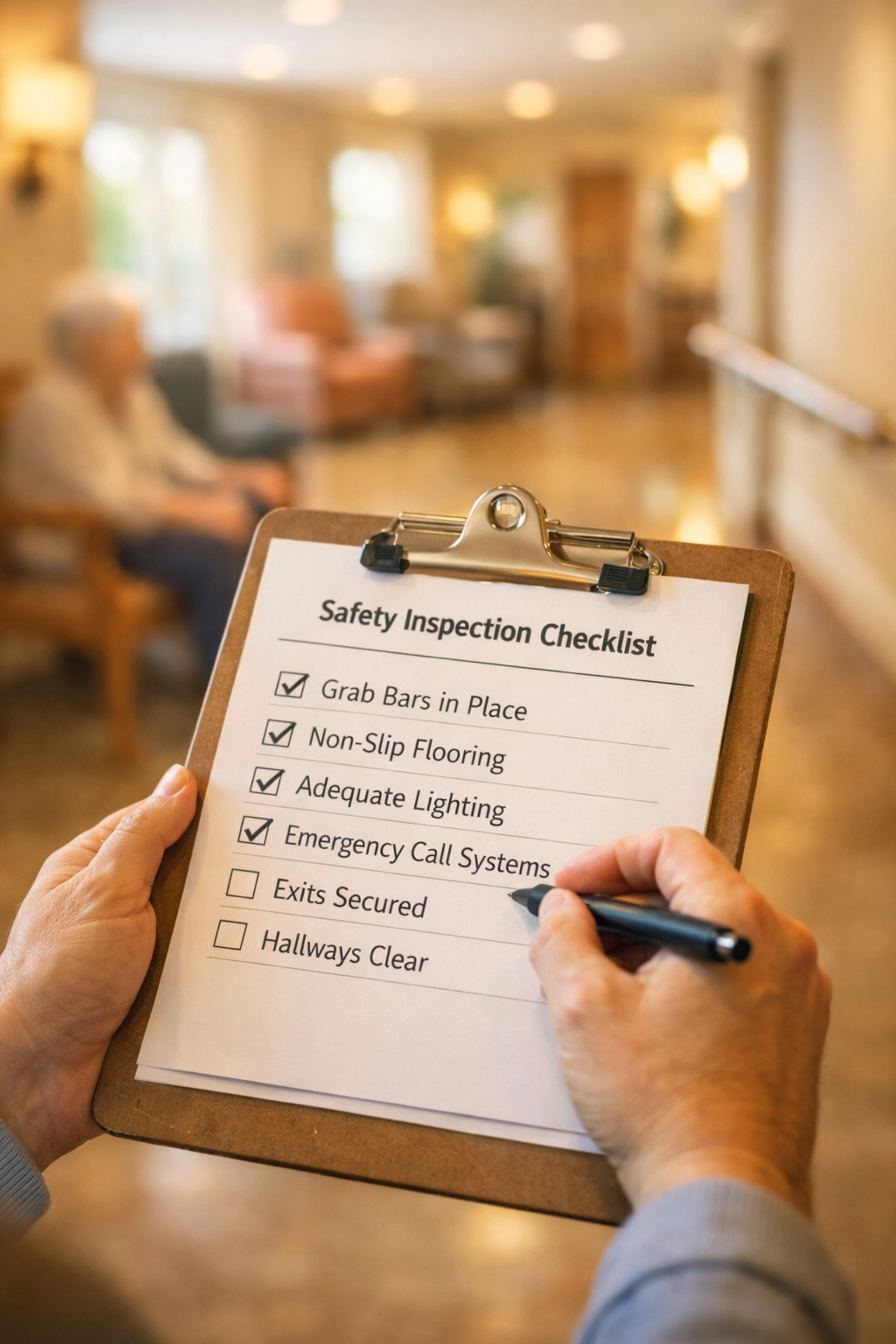
    How to Fix It: During your tour, do a safety walk-through. Check for:

    • Adequate lighting in all areas, especially hallways and bathrooms
    • Backup generators in case of power outages
    • Secured exits to prevent wandering off the property
    • Non-slip flooring and grab bars in bathrooms
    • Clear sightlines so staff can monitor residents
    • Emergency call buttons in rooms and common areas

    Don't be shy about asking how they handle medical emergencies or what their fall prevention protocols look like. These questions show you're serious: and facilities should welcome them.

    5. Choosing Based on What You'd Want, Not What They Need

    The Mistake: You imagine yourself in their shoes and think, "I'd love this place!" So you choose the community with the most activities, the biggest apartment, the best chef.

    But here's the reality: your loved one with dementia has different needs than you do. They might find a packed activity calendar exhausting. They might get confused in a large apartment. They might not care about gourmet meals.

    How to Fix It: Think about your loved one's current abilities, preferences, and stage of dementia. What makes them feel safe and comfortable right now?

    If they're social, look for a facility with small-group activities. If they're anxious, prioritize calm environments over busy ones. If they're in late-stage dementia, ensure the facility has experience with end-of-life care.

    Match the facility to their needs today: and where those needs are likely to go in the next year or two.

    Safety checklist review at Sarasota memory care facility with secure common area

    6. Only Considering Their Current Needs

    The Mistake: You find a memory care community that's perfect for your dad's early-stage Alzheimer's. Great activities, minimal assistance needed, lots of independence. But you don't ask what happens when he progresses to moderate or late-stage dementia.

    Six months later, the facility tells you they can't provide the level of care he now needs. You're back to square one, and your dad has to move again: which is incredibly disruptive for someone with memory loss.

    How to Fix It: Ask about the facility's ability to accommodate different stages of dementia. Can they provide care as needs increase? Do they have specialized programs for late-stage residents? What's their policy on transferring residents who need more care?

    Some facilities offer tiered care within the same community, so your loved one can stay in a familiar environment even as their needs change. Others may require a move to a nursing home at a certain point.

    Knowing this upfront helps you plan and avoid unnecessary transitions.

    7. Ignoring the Costs and Financial Planning

    The Mistake: You assume all memory care communities in Sarasota cost about the same. Or you focus so much on finding the "right" facility that you don't thoroughly investigate the costs: until you get the first bill and realize there are hidden fees you weren't expecting.

    This can lead to serious financial strain or having to move your loved one to a more affordable facility later.

    How to Fix It: Get a detailed breakdown of costs from every facility you're considering. Ask about:

    • Base monthly rate
    • What's included in that rate (meals, activities, medication management, etc.)
    • Additional fees for higher levels of care
    • Charges for incontinence care, specialized therapies, or medical equipment
    • Rate increases and how often they occur
    • Payment options and accepted insurance or benefits

    Also explore whether your loved one qualifies for veterans benefits, long-term care insurance, or Medicaid. Some facilities have financial counselors who can help you navigate these options.

    Don't let cost be the only factor: but don't ignore it, either. Check out our guide on memory care costs for more information.

    Senior with dementia participating in small-group activity at memory care community

    You Don't Have to Do This Alone

    Choosing memory care in Sarasota is complicated. There's a lot to consider, and the stakes feel incredibly high. But avoiding these seven mistakes puts you way ahead of most families.

    And here's the thing: you don't have to figure this out by yourself. That's literally what we do. We know the local memory care communities, we understand the questions you should be asking, and we can help you find the right fit for your loved one's needs and your budget.

    If you're feeling overwhelmed or just want some guidance, reach out to us. There's no charge for our services, and we're here to make this process easier for you.

    Because your loved one deserves the best care: and you deserve some peace of mind.

  • Does Your Mom Really Need Assisted Living? Here’s the Truth About Senior Care Options in Lakewood Ranch

    Does Your Mom Really Need Assisted Living? Here’s the Truth About Senior Care Options in Lakewood Ranch

    You've noticed changes. Maybe Mom forgot to take her medication last week. Or she's not cooking like she used to. The house feels messier than before, and you're driving over more often to help with things she used to handle on her own.

    Now you're asking yourself the question that thousands of adult children in Lakewood Ranch are asking: Does she really need assisted living?

    It's a tough question, and honestly, there's no one-size-fits-all answer. But here's what you need to know to make the right decision for your family.

    The Signs That Assisted Living Might Be the Answer

    Let's get real for a second. Your mom probably doesn't want to move. That's completely normal. But your job isn't to make her happy in the short term, it's to keep her safe and thriving in the long term.

    Here are the honest signs that it might be time to consider assisted living in Lakewood Ranch:

    Daily Tasks Are Becoming Struggles

    • She's wearing the same clothes multiple days in a row
    • Personal hygiene has noticeably declined
    • Meals are being skipped or she's eating the same thing repeatedly
    • The laundry is piling up or bills are going unpaid

    Safety Concerns Are Keeping You Up at Night

    • You've found expired food in the fridge (or she's eating it anyway)

    • She's had a fall or near-miss in the past six months
    • Medications are being missed or taken incorrectly
    • Driving has become concerning to you or others

    Senior managing daily medications with pill organizer at home

    Social Isolation Is Setting In

    • She rarely leaves the house anymore
    • Phone calls with friends have dropped off
    • She seems less interested in hobbies she once loved
    • You're noticing signs of depression or increased anxiety

    You're Becoming the Primary Caregiver

    • You're visiting multiple times per week to help with basic tasks
    • Your own family or work is suffering because of caregiving duties
    • Other siblings are expressing concern about Mom living alone
    • You feel guilty, exhausted, or overwhelmed

    If you're nodding along to several of these, it's time to have an honest conversation, with your mom, with your siblings, and possibly with her doctor.

    What Assisted Living Actually Provides (It's Not What You Think)

    Let's clear up the biggest misconception: Assisted living isn't a nursing home. It's not a place where your mom will lose her independence or sit in a room all day watching TV.

    Modern assisted living communities in Lakewood Ranch are designed to support independence, not replace it. Here's what that actually looks like:

    Daily Living Support
    Your mom gets help with the tasks that have become difficult, bathing, dressing, medication management, while maintaining control over her daily routine and choices.

    Restaurant-Style Dining
    No more grocery shopping, meal prep, or dishes. Most communities offer chef-prepared meals in a social dining room setting, with options that accommodate dietary needs.

    Housekeeping and Maintenance
    Someone else handles the laundry, cleaning, and home repairs. Your mom can focus on enjoying her day instead of stressing about chores.

    Social Activities and Programs
    From fitness classes to art studios, book clubs to movie nights, there's a calendar full of activities designed to keep residents engaged and connected.

    24/7 Support and Security
    Staff members are always available if your mom needs help, and emergency response systems provide peace of mind for everyone.

    Seniors enjoying restaurant-style dining at Lakewood Ranch assisted living community

    Think of it this way: assisted living removes the burdens of home maintenance and daily tasks so your mom can focus on actually living.

    The Full Range of Senior Care Options in Lakewood Ranch

    Here's the thing, assisted living isn't your only option. Lakewood Ranch has over 30 senior living communities offering different levels of care. Let's break down what's available:

    Independent Living
    Best for: Active seniors who want a maintenance-free lifestyle but don't need daily care assistance

    Your mom can enjoy resort-style amenities, social activities, and housekeeping services while maintaining complete independence. Independent living is ideal if she's doing fine on her own but wants to simplify her life and stay connected to a community.

    Assisted Living
    Best for: Seniors who need help with daily activities but want to preserve as much independence as possible

    This is the sweet spot for many families. Mom gets the support she needs without giving up control over her life and decisions.

    Memory Care
    Best for: Residents with Alzheimer's disease, dementia, or other memory-related conditions

    Memory care communities in Lakewood Ranch offer specialized programming, secure environments, and staff trained specifically in dementia care. These communities focus on maintaining dignity and quality of life for residents with cognitive challenges.

    Respite Care
    Best for: Temporary situations when additional support is needed

    If you're the primary caregiver and need a break, or if Mom is recovering from surgery, respite care provides short-term support without a long-term commitment.

    Senior woman painting in art class at Lakewood Ranch assisted living facility

    Let's Talk About the Cost (Because You're Wondering)

    The average cost of assisted living in Lakewood Ranch runs between $4,460 and $4,580 per month. Yes, that's a significant investment. But let's look at what you might already be spending:

    • Mom's current housing costs (mortgage/rent, utilities, insurance, maintenance)
    • Groceries and meal delivery services
    • Home health aides or cleaning services
    • Transportation costs for errands and appointments
    • Medical expenses from falls or medication errors

    When you add it all up, assisted living often costs less than trying to patch together care at home. Plus, you can't put a price on the peace of mind that comes from knowing she's safe and supported 24/7.

    Many communities work with families on payment options, and some costs may be covered by long-term care insurance or veterans benefits. Understanding the costs upfront helps you plan effectively.

    How to Actually Make This Decision

    Here's your action plan:

    Step 1: Have the Conversation
    Talk to your mom about what you're noticing. Be specific. Be kind. But be honest. Sometimes hearing your concerns out loud helps her see what you're seeing.

    Step 2: Get Professional Input
    Talk to her doctor about her current care needs and limitations. Medical professionals can provide objective assessments that help clarify the situation.

    Step 3: Assess Her Actual Needs
    Not sure where to start? Take our care assessment tool to get a personalized recommendation based on your mom's specific situation. It's free, takes about 10 minutes, and gives you clarity on what level of care makes sense.

    Step 4: Tour Communities Together
    Visit 3-5 communities in Lakewood Ranch with your mom. Let her see that these aren't depressing institutions: they're vibrant communities where people are actually thriving. Pay attention to which communities she responds to positively.

    Step 5: Start the Transition Gradually
    If possible, begin with respite care or trial stays. This helps your mom (and you) adjust to the idea without the pressure of a permanent decision right away.

    The Bottom Line

    Does your mom really need assisted living? Only you and your family can answer that question. But if you're reading this article, you're probably already seeing signs that something needs to change.

    The truth is, waiting too long often leads to crisis situations: a serious fall, a medical emergency, or a caregiver breakdown. Making the decision proactively, when you have time to find the right community and transition gradually, is almost always better than making it in a panic.

    Lakewood Ranch has excellent senior care options designed to meet your mom exactly where she is. Whether that's independent living, assisted living, or memory care, there's a community that can support her needs while honoring her independence.

    Ready to explore your options? Contact us today for a free consultation. We'll help you understand what level of care makes sense for your mom and connect you with communities in Lakewood Ranch that match her personality, preferences, and budget. No pressure, no sales pitch: just honest guidance from people who've helped hundreds of families navigate this exact decision.

  • 5 Signs It’s Time for Assisted Living (And What to Do Next)

    5 Signs It’s Time for Assisted Living (And What to Do Next)

    Let's be honest, this isn't an easy topic. If you're reading this, you're probably worried about someone you love. Maybe it's a parent, a spouse, or a close family member. And you've noticed some changes that just don't sit right with you.

    First, take a breath. You're not alone in this, and recognizing that something might need to change is actually the first step toward helping your loved one live a safer, happier life.

    The truth is, most seniors who move into assisted living in Sarasota do so between the ages of 75 and 84. It's a normal transition, and for many families, it brings peace of mind they didn't know they needed.

    So how do you know when it's time? Here are five signs to watch for.

    Sign #1: Struggling with Everyday Tasks

    This is often the first thing families notice. Your mom used to keep an immaculate house, but now dishes are piling up. Your dad hasn't shaved in weeks. Getting dressed seems to take forever, or doesn't happen at all some days.

    These everyday tasks are called Activities of Daily Living (ADLs), and they include:

    • Bathing and personal hygiene
    • Getting dressed
    • Preparing meals
    • Managing household chores
    • Using the bathroom safely

    When these basic routines become difficult, whether due to pain, mobility issues, or just exhaustion, it's a clear signal that some extra support could make a real difference.

    The good news? Assisted living communities are specifically designed to help with exactly these tasks while still giving your loved one independence and dignity.

    Caregiver assisting elderly woman with daily dressing, highlighting compassionate Sarasota assisted living support

    Sign #2: Falls or Safety Concerns at Home

    This one can be scary. Maybe your loved one has fallen recently. Or perhaps you've noticed them holding onto furniture as they walk, or avoiding stairs altogether.

    Falls are the leading cause of injury among older adults, and once someone falls, they're more likely to fall again. A single fall can lead to:

    • Broken bones or hip fractures
    • Head injuries
    • A fear of moving around that leads to even less activity
    • Loss of confidence and independence

    Beyond falls, general safety concerns add up quickly. Are they leaving the stove on? Forgetting to lock doors? Having trouble getting in and out of the shower?

    If your gut tells you their home isn't safe anymore, trust that instinct. Senior living in Sarasota offers environments designed with safety in mind, grab bars, emergency call systems, staff available around the clock, and no more worrying about those basement stairs.

    Sign #3: Medication Mismanagement

    Here's a sneaky one that often flies under the radar.

    Managing multiple medications is complicated. Different pills at different times, some with food and some without, refills to track, and dosages that change. It's a lot for anyone to handle, and it gets harder with age.

    Signs of medication mismanagement include:

    • Forgetting to take medications
    • Taking the wrong dose (too much or too little)
    • Confusion about what each medication is for
    • Pill bottles that are still full when they should be empty
    • Missed refills or expired prescriptions

    This isn't just inconvenient, it can be dangerous. Missed heart medication, doubled-up blood thinners, or forgotten diabetes pills can lead to serious health emergencies.

    In an assisted living setting, trained staff help manage medications and make sure everything is taken correctly and on time. It's one less thing for you to worry about and one more layer of safety for your loved one.

    Open pill organizer with medications, emphasizing safe senior living and medication management in Sarasota

    Sign #4: Noticeable Weight Loss or Poor Nutrition

    When was the last time you looked in your parent's refrigerator? What you find there, or don't find, can tell you a lot.

    Many seniors living alone struggle with nutrition. Maybe they've lost interest in cooking. Maybe grocery shopping has become too difficult. Or perhaps they simply forget to eat.

    Watch for these warning signs:

    • Significant weight loss (clothes fitting loosely, gaunt appearance)
    • An empty fridge or pantry full of expired food
    • Eating the same thing every day (or mostly snacks)
    • Difficulty managing special diets (low sodium, diabetic-friendly, etc.)

    Poor nutrition affects everything, energy levels, immune function, cognitive health, and mood. It can accelerate decline faster than almost anything else.

    Assisted living communities provide balanced, nutritious meals prepared daily. No more worrying about whether Mom actually ate today or if Dad is living on crackers and canned soup.

    Sign #5: Social Isolation and Withdrawal

    This one breaks my heart, because it's so common, and so harmful.

    Maybe your loved one used to be the life of the party. They had friends, hobbies, and a full social calendar. But lately? They don't want to leave the house. They've stopped calling friends. They seem lonely, withdrawn, or even depressed.

    Social isolation is a serious health risk for seniors. Studies show it can be as damaging as smoking 15 cigarettes a day. It leads to:

    • Depression and anxiety
    • Cognitive decline
    • Higher risk of heart disease
    • A general loss of purpose and joy

    Sometimes isolation happens because driving becomes difficult. Sometimes it's because friends have passed away or moved. And sometimes, the effort of getting ready and going out just feels like too much.

    One of the biggest benefits of senior living in Sarasota is the built-in community. Daily activities, group meals, social events, and simply having neighbors nearby can transform someone's quality of life. Loneliness doesn't have to be the norm.

    Three senior friends laughing together in a bright community room, showcasing social engagement in Sarasota assisted living

    What To Do Next

    Okay, so you've recognized some of these signs. Now what?

    Here's a simple roadmap to get you moving in the right direction:

    1. Have an Honest Conversation

    This might be the hardest part. Choose a calm moment and approach the topic with love, not alarm. Focus on your concerns and ask open-ended questions. "I've noticed you seem tired lately: how are you feeling about things?"

    Including your loved one in the conversation helps them feel respected and involved in their own care decisions.

    2. Assess Their Current Needs

    Take stock of what kind of help they actually need. Is it just medication reminders? Help with bathing? Full-time supervision? Understanding their level of need will help you find the right fit.

    Our free Care Assessment Tool can help you get a clearer picture of what type of care might be appropriate.

    3. Talk to Their Doctor

    A healthcare provider can offer valuable perspective on cognitive changes, physical limitations, and overall health status. They may also have recommendations based on what they've observed during appointments.

    4. Research Your Options

    Not all assisted living communities are the same. Some specialize in memory care. Others focus on active seniors who just need a little support. Location, amenities, staff-to-resident ratios, and cost all vary.

    This is where we come in. At Assisted Living Locators of Sarasota, we help families navigate these options every single day: for free. We know the communities, we know the questions to ask, and we can match your loved one with the right fit.

    5. Tour Communities Together

    Once you've narrowed down some options, schedule tours. Bring your loved one if possible. Pay attention to how the staff interacts with residents, how the community feels, and whether you can picture your family member being happy there.

    Need help knowing what to look for? Check out our Senior Living Questions guide for a handy list of things to ask during your visit.

    You Don't Have to Figure This Out Alone

    Recognizing that your loved one needs more help isn't giving up on them: it's stepping up for them. It takes courage to acknowledge when a situation has changed and to seek out solutions.

    If you're seeing these signs and aren't sure where to start, we're here to help. Reach out to us for a free consultation. We'll listen to your situation, answer your questions, and help you find the right assisted living options in Sarasota for your family.

    Because nobody should have to navigate this alone.

  • Touring Assisted Living Facilities in Sarasota FL? 10 Questions You Need to Ask

    Touring Assisted Living Facilities in Sarasota FL? 10 Questions You Need to Ask

    Walking into an assisted living facility for the first time can feel overwhelming. You're looking around, trying to imagine your mom or dad living there, and suddenly your mind goes blank. What were you supposed to ask again?

    Don't worry. You're not alone.

    Most families touring assisted living facilities in Sarasota FL come in with good intentions but leave realizing they forgot to ask the important stuff. That's why we put together this practical checklist of 10 questions you absolutely need to ask during your tour.

    Print this out. Take it with you. Your future self will thank you.

    Why the Right Questions Matter

    Here's the thing: every facility will show you their best side during a tour. The dining room will be spotless. The staff will be smiling. The activities calendar will look impressive.

    But what you really need to know is what daily life actually looks like for residents. And the only way to find that out? Ask the right questions.

    Let's dive in.


    Question 1: What Is Your Staff-to-Resident Ratio?

    This is probably the most important question on the list.

    Staff-to-resident ratio tells you how much individual attention your loved one will receive. A facility might have beautiful grounds and gourmet meals, but if there aren't enough caregivers to help when Mom needs assistance getting dressed or Dad has a fall, none of that matters.

    What to listen for: Ideally, you want to hear ratios like 1:6 or 1:8 during the day. Ask about nighttime ratios too: they're often higher (fewer staff per resident), which is normal, but you want to make sure someone is always available.

    Follow-up question: "Is nursing staff available 24/7, or just during certain hours?"

    Assisted living caregiver holds hands with elderly resident in Sarasota facility common room

    Question 2: What Training Do Your Caregivers Receive?

    Florida has minimum training requirements for assisted living staff. But the best facilities go above and beyond.

    Ask specifically about:

    • Dementia and Alzheimer's training (even if your loved one doesn't have memory issues now)
    • First aid and emergency response
    • Ongoing education requirements

    Why it matters: Well-trained staff means better care, fewer mistakes, and a team that knows how to handle unexpected situations calmly.


    Question 3: What's Included in the Monthly Rate: And What Costs Extra?

    This question can save you from some serious sticker shock down the road.

    Many assisted living facilities in Sarasota FL have a base rate that covers the basics: a room, meals, and some level of care. But additional services often come with additional fees.

    Ask for a detailed breakdown of:

    • Medication management
    • Incontinence care
    • Escort services to meals or activities
    • Laundry and housekeeping
    • Transportation to doctor appointments

    Pro tip: Request a written fee schedule. If they hesitate to provide one, that's a red flag.

    For more help understanding costs, check out our assisted living cost guide.


    Question 4: What Activities and Social Programs Do You Offer?

    Quality of life isn't just about medical care. It's about connection, purpose, and joy.

    Take a close look at the activities calendar. Are there options that match your loved one's interests? If Dad loves gardening, is there a garden club? If Mom was a bookworm, is there a book group?

    What to look for:

    • Variety (physical, social, creative, and spiritual activities)
    • Frequency (daily activities vs. occasional events)
    • Resident participation (ask how many residents typically join in)

    Bonus question: "Can residents suggest new activities or programs?"

    Seniors enjoy watercolor painting activity together in Sarasota assisted living community

    Question 5: How Do You Handle Different Care Levels?

    Your loved one's needs today might not be their needs a year from now. That's just the reality of aging.

    Ask whether the facility can accommodate increasing care needs over time. Some communities offer multiple levels of care on the same campus: independent living, assisted living, memory care, and skilled nursing. Others specialize in just one level.

    Why it matters: If the facility can't meet higher care needs, your loved one might have to move again later. That's disruptive and stressful for everyone.

    Related question: "What happens if my parent's health declines significantly? What's the process?"


    Question 6: What Are Your Safety and Security Measures?

    Safety is non-negotiable. Period.

    Every assisted living facility should have emergency call systems in rooms and bathrooms. But dig deeper:

    • Are there grab bars in showers and near toilets?
    • How are exits monitored?
    • What's the protocol for medical emergencies?
    • Is there a backup generator for power outages?

    For memory care considerations: If your loved one has dementia or is at risk for wandering, ask about secured entrances, door alarms, and GPS tracking options.

    Learn more about memory care options if this applies to your family's situation.


    Question 7: Can I See a Sample Menu? How Are Dietary Needs Handled?

    Food matters more than people realize. A lot more.

    Mealtimes are social events. They provide structure to the day. And proper nutrition directly impacts health and energy levels.

    Questions to ask:

    • How many meal options are available at each sitting?
    • Can you accommodate special diets (diabetic, low-sodium, vegetarian, pureed)?
    • Are snacks available between meals?
    • Can family members join for meals?

    During the tour: If possible, ask to eat a meal there. It's the best way to judge food quality.

    Healthy meal of salmon and vegetables in Sarasota assisted living dining room

    Question 8: What's Your Policy on Visitors and Family Involvement?

    You want to stay involved in your loved one's life. Make sure the facility encourages that.

    Ask about:

    • Visiting hours (are they flexible or restricted?)
    • Private spaces for family visits
    • Whether family can participate in care planning meetings
    • Communication policies (how will you be updated on health changes?)

    Red flag: Any facility that discourages family involvement or makes visiting difficult isn't putting residents first.


    Question 9: How Do You Handle Medical Emergencies and Hospital Transfers?

    Nobody wants to think about emergencies. But you need to know the plan.

    Key questions:

    • Is there a nurse on-site 24/7, or just on-call?
    • Which hospital do you typically transfer to?
    • How are families notified in an emergency?
    • Are therapies (physical, occupational, speech) available onsite or through outside providers?

    Why it matters: Quick, coordinated response can make all the difference in a medical emergency.


    Question 10: Can I Speak With Current Residents or Their Families?

    This is the question most people forget to ask. And it's incredibly valuable.

    Current residents and families can give you the real scoop. They've lived the day-to-day experience. They know what works and what doesn't.

    What to ask them:

    • How responsive is staff when you need help?
    • What do you like most about living here?
    • What would you change if you could?
    • Would you recommend this place to a friend?

    A confident facility will happily connect you with references. If they won't, ask yourself why.


    Bonus Tips for Your Tour

    Before you go, here are a few extra suggestions to make your visit more productive:

    • Visit at different times. Stop by during a meal, during activities, and in the evening. You'll get a fuller picture.
    • Trust your gut. Does the place feel warm and welcoming? Do staff members greet residents by name? These details matter.
    • Bring your loved one (if possible). Their comfort level matters most.
    • Take notes and photos. After touring several facilities, they can all blur together.

    Need Help Narrowing Down Your Options?

    Touring assisted living facilities in Sarasota FL is just one piece of the puzzle. Choosing the right community takes time, research, and a whole lot of patience.

    That's where we come in.

    At Assisted Living Locators of Sarasota, we help families like yours find the right fit: at no cost to you. We know the local communities, we understand the questions to ask, and we're here to make this process easier.

    Ready to get started? Take our care assessment or contact us directly. We're happy to help.

    You've got this. And we've got your back.

  • Memory Care vs Assisted Living in Sarasota: Which One's Right for Your Parent?

    Memory Care vs Assisted Living in Sarasota: Which One's Right for Your Parent?

    If you're researching senior living options for your parent in Sarasota, you've probably come across two terms that sound similar but are actually quite different: assisted living and memory care.

    Understanding the distinction matters. Choosing the right level of care affects your parent's safety, happiness, and quality of life. And let's be honest: it's a decision that can feel overwhelming when you're already worried about someone you love.

    The good news? Once you know what to look for, the choice becomes much clearer.

    Let's break down the differences so you can make the best decision for your family.

    What Is Assisted Living?

    Assisted living is designed for seniors who are mostly independent but need a helping hand with daily activities.

    Think of it as a supportive environment where your parent can maintain their autonomy while getting assistance with things like:

    • Bathing and personal hygiene
    • Getting dressed
    • Medication reminders and management
    • Meal preparation
    • Light housekeeping and laundry
    • Transportation to appointments

    Residents in assisted living Sarasota communities typically have their own apartments or private rooms. They enjoy social activities, dining with other residents, and coming and going as they please.

    The key here? Cognitively, they're doing well. They might forget to take a pill or need help getting in and out of the shower, but they know where they are, recognize family members, and can communicate their needs.

    Elderly woman in a Sarasota assisted living apartment enjoys tea with caregiver, highlighting a supportive senior living environment.

    What Is Memory Care?

    Memory care is a specialized form of senior living designed specifically for people with Alzheimer's disease, dementia, or other memory-related conditions.

    It's not just assisted living with a different name. Memory care communities are built from the ground up to support residents with cognitive challenges.

    Here's what sets memory care apart:

    • 24/7 specialized supervision from staff trained in dementia care
    • Secured environments with controlled exits to prevent wandering
    • Structured daily routines that reduce confusion and anxiety
    • Therapeutic activities designed to stimulate memory and engagement
    • Design features like circular hallways, enclosed outdoor spaces, and clear visual cues

    Memory care Sarasota communities understand that residents may not always remember where they are or recognize familiar faces. The entire environment: from the layout to the lighting: is designed with their safety and comfort in mind.

    The Key Differences: A Side-by-Side Look

    Still not sure which one fits your parent's situation? Here's a quick comparison:

    Feature Assisted Living Memory Care
    Primary Focus Help with daily activities Specialized dementia/Alzheimer's care
    Cognitive Requirements Generally intact Significant memory impairment
    Staff Training General senior care Dementia-specific training
    Security Standard Secured with controlled access
    Environment Apartment-style, independent Structured, safety-focused design
    Daily Structure Flexible Highly structured routines
    Cost Lower Higher due to specialized care

    Both options provide meals, activities, and support. The difference comes down to the level of cognitive care and security your parent needs.

    Serene memory care garden in Sarasota with elderly man and caregiver, showing safe, secure outdoor spaces for seniors with dementia.

    Security and Safety: Why It Matters

    One of the biggest factors families consider when choosing between assisted living and memory care is safety.

    If your parent has been diagnosed with dementia or Alzheimer's, wandering is a real concern. According to the Alzheimer's Association, six in ten people with dementia will wander at some point. In Florida's warm climate, this can become dangerous quickly.

    Memory care communities in Sarasota are designed with this in mind:

    • Secured entrances and exits that require codes or staff assistance
    • Alarm systems on doors
    • GPS tracking options for residents
    • Enclosed outdoor gardens where residents can enjoy fresh air safely
    • Circular hallway designs that let residents walk freely without getting lost

    Assisted living communities, on the other hand, allow residents more freedom to come and go. That's perfect for someone who's cognitively healthy: but it can be risky for someone experiencing memory loss.

    Specialized Care: What Does That Really Mean?

    When we talk about "specialized care" in memory care, we're talking about staff who understand dementia on a deep level.

    Memory care team members are trained to:

    • Communicate effectively with residents who may struggle to express themselves
    • Redirect behaviors calmly and compassionately
    • Recognize signs of agitation or distress before they escalate
    • Create meaningful engagement through music, art, and sensory activities
    • Support dignity and independence even as abilities change

    This training makes a real difference. A staff member who understands dementia won't take it personally if a resident becomes confused or upset. They'll know how to respond in a way that calms and reassures.

    In Sarasota, you also have access to specialized resources like The Roskamp Clinic, a research institute that specializes in memory disorders. If you're unsure whether your parent needs memory care, a comprehensive evaluation can help clarify the right path forward.

    Welcoming entrance of Sarasota memory care community where staff greets resident and family, emphasizing safety and personal connection.

    Signs Your Parent Might Need Memory Care

    Sometimes the line between "forgetful" and "needs memory care" isn't clear. Here are some signs that memory care might be the better choice:

    • Getting lost in familiar places (their own neighborhood, their home)
    • Forgetting names of close family members or not recognizing them
    • Difficulty following conversations or answering simple questions
    • Unsafe behaviors like leaving the stove on or wandering outside at night
    • Significant personality changes such as increased agitation, paranoia, or withdrawal
    • Requiring constant supervision to stay safe

    If your parent is experiencing one or more of these regularly, it's worth exploring memory care options. The structured environment and specialized staff can provide a level of safety and support that assisted living simply isn't designed to offer.

    Signs Assisted Living Is the Right Fit

    On the other hand, assisted living might be perfect if your parent:

    • Needs help with physical tasks but is mentally sharp
    • Wants to maintain independence in a social environment
    • Can follow a medication schedule with reminders
    • Enjoys activities and socializing with peers
    • Doesn't require 24/7 supervision for safety

    Many Sarasota seniors thrive in assisted living because it offers the right balance of support and freedom.

    What About Cost?

    Let's talk numbers: because budget matters.

    Memory care typically costs more than assisted living due to the specialized staffing, enhanced security, and lower staff-to-resident ratios.

    In Sarasota, you can expect:

    • Assisted living to range from around $3,500 to $6,000+ per month depending on the community and level of care
    • Memory care to range from around $5,000 to $8,000+ per month

    These are general ranges. Actual costs depend on the specific community, room type, and care needs.

    The good news? Many Sarasota senior living communities offer both assisted living and memory care on the same campus. This means your parent can transition smoothly if their needs change over time: without having to move to an entirely new location.

    For more details on costs, check out our guides on assisted living costs and memory care costs in Sarasota.

    Adult daughter and elderly mother discuss Sarasota senior care options at home, illustrating family support during memory care decisions.

    How to Decide: Your Next Steps

    Choosing between memory care and assisted living doesn't have to be a solo journey.

    Here's what we recommend:

    1. Get a professional assessment. If you're unsure about your parent's cognitive status, talk to their doctor or seek a memory evaluation.

    2. Tour communities in person. Nothing beats seeing a community firsthand. Pay attention to how staff interact with residents.

    3. Ask the right questions. What's the staff-to-resident ratio? What training do caregivers receive? What happens if my parent's needs change?

    4. Consider future needs. Even if assisted living works today, think about whether your parent might need memory care down the road.

    Not sure where to start? Take our free care assessment to get personalized recommendations based on your parent's specific situation.

    We're Here to Help

    At Assisted Living Locators of Sarasota, we help families like yours navigate these decisions every day. Our service is free to you, and we're local: we know the Sarasota, Bradenton, and Lakewood Ranch communities inside and out.

    Whether your parent needs assisted living, memory care, or you're still figuring it out, we're happy to talk through your options.

    Contact us today to schedule a free consultation. We'll help you find the right fit: no pressure, no stress.

  • Independent Living vs. Assisted Living in Sarasota: What's the Real Difference?

    Independent Living vs. Assisted Living in Sarasota: What's the Real Difference?

    If you've started researching senior living options for yourself or a loved one, you've probably noticed two terms popping up everywhere: independent living and assisted living. And honestly? It can get confusing fast.

    Both sound pretty similar on the surface. Both are senior living communities. Both offer amenities and social activities. So what's the actual difference?

    Here's the short answer: it comes down to how much daily support someone needs.

    But let's dig deeper. Because understanding the real differences between independent living in Sarasota and assisted living in Sarasota can save you time, money, and a whole lot of stress when making this important decision.

    What Is Independent Living?

    Think of independent living as apartment-style living designed specifically for active, healthy seniors. These communities are perfect for people who can handle their day-to-day activities on their own but want to ditch the hassles of homeownership.

    No more mowing the lawn. No more fixing the leaky faucet. No more cooking every single meal if you don't want to.

    Active senior couple enjoying a bright Sarasota independent living apartment with palm views and sunlight.

    Independent living residents in Sarasota typically enjoy:

    • Private apartments or cottages with full kitchens
    • Restaurant-style dining options (so you can cook when you want, skip it when you don't)
    • Housekeeping and maintenance services included
    • Social activities and fitness programs to stay engaged
    • Transportation services for shopping, appointments, and outings
    • A built-in community of neighbors in the same stage of life

    The key word here is independence. Residents come and go as they please. They drive their own cars (or use community transportation). They manage their own medications and schedules. They're simply choosing a lifestyle with fewer chores and more connection.

    Healthcare services are available on an as-needed basis, and emergency support is there if something happens. But daily hands-on care? That's not part of the package.

    What Is Assisted Living?

    Assisted living is designed for seniors who need a bit more help with the activities of daily living: often called ADLs. These include things like:

    • Bathing and personal hygiene
    • Getting dressed
    • Medication management
    • Mobility assistance
    • Meal preparation
    • Using the bathroom

    It doesn't mean someone needs round-the-clock medical care. It simply means they could use a helping hand with certain tasks to stay safe and comfortable.

    Caregiver assisting senior woman in a cozy Sarasota assisted living bedroom, highlighting personalized support.

    Assisted living communities in Sarasota offer many of the same amenities as independent living: social activities, dining, housekeeping, transportation: but with an added layer of personalized care.

    Here's what sets assisted living apart:

    • 24/7 trained staff available to assist residents
    • Personalized care plans tailored to each person's specific needs
    • Medication management and reminders for appointments
    • Help with bathing, dressing, and grooming as needed
    • Wellness checks and ongoing health monitoring
    • Activities designed to support both physical and cognitive health

    The goal is to help residents maintain as much independence as possible while ensuring they have the support they need to thrive.

    The Key Differences at a Glance

    Let's break it down side by side so you can see the differences clearly:

    Feature Independent Living Assisted Living
    Best for Active, healthy seniors Seniors needing help with daily tasks
    Daily care assistance Not included Personalized care plans
    Staff availability Limited/emergency only 24/7 trained staff
    Medication management Self-managed Staff-assisted
    Healthcare services As-needed basis Ongoing monitoring
    Autonomy level Full independence Supported independence
    Average monthly cost (Sarasota) ~$2,902 ~$4,145

    As you can see, the main differences come down to the level of care and support provided: and that's reflected in the cost.

    Let's Talk About Costs in Sarasota

    Money matters. We get it. And it's one of the first questions families ask us.

    Here's what you can expect in the Sarasota area:

    Independent living averages around $2,902 per month. This typically covers your apartment, utilities, meals, housekeeping, and access to community amenities and activities.

    Assisted living averages around $4,145 per month. The higher cost reflects the personalized care services, 24/7 staffing, and additional support provided.

    That's roughly a 30% difference in cost: which makes sense when you factor in the hands-on care involved with assisted living.

    One important note: neither Medicare nor Medicaid covers independent living costs. Assisted living may have some coverage options depending on the situation, but it's worth exploring all your financial options early in the process.

    Want to dive deeper into the numbers? Check out our assisted living costs guide and independent living costs guide for more details.

    How Do You Know Which One Is Right?

    This is the big question. And the answer is different for every family.

    Here are some questions to help you figure it out:

    Consider independent living if your loved one:

    • Is generally healthy and active
    • Can manage medications on their own
    • Doesn't need help with bathing, dressing, or mobility
    • Wants to downsize and simplify life
    • Is looking for more social connection and community
    • Wants maintenance-free living without giving up independence

    Consider assisted living if your loved one:

    • Needs help with one or more daily activities (bathing, dressing, etc.)
    • Has difficulty managing medications safely
    • Has experienced falls or mobility challenges
    • Needs regular health monitoring
    • Would benefit from more structured support and supervision
    • Still wants independence but with a safety net

    Adult daughter and elderly mother reviewing senior living options together in a sunny Florida kitchen.

    Not sure where your loved one falls? That's completely normal. Our free care assessment tool can help you get a clearer picture of what level of care might be the best fit.

    The Good News: You Don't Have to Get It Perfect

    Here's something that takes a lot of pressure off this decision: many Sarasota communities offer both independent living and assisted living on the same campus.

    That means if your loved one moves into independent living and their needs change down the road, they can transition to assisted living without leaving the community they've come to love.

    No packing up and starting over somewhere new. No losing the friends they've made. Just a seamless shift to a higher level of care when the time is right.

    This "aging in place" approach is a huge benefit for families who want flexibility and peace of mind.

    We're Here to Help You Navigate This

    Choosing between independent living and assisted living in Sarasota doesn't have to be overwhelming. You don't have to figure this out alone.

    At Assisted Living Locators of Sarasota, we help families just like yours every single day. We know the communities. We know the questions to ask. And our service is completely free to you.

    Here's how we can help:

    • Listen to your situation and understand what matters most
    • Recommend communities that match your loved one's needs and budget
    • Arrange tours so you can see options firsthand
    • Walk you through the process from start to finish

    No pressure. No sales pitch. Just honest guidance from someone who knows Sarasota senior living inside and out.

    Ready to take the next step? Reach out to us or take our care assessment to get personalized recommendations.

    You've got this. And we've got your back.

  • How to Compare Assisted Living Costs in Sarasota (Without the Sticker Shock)

    How to Compare Assisted Living Costs in Sarasota (Without the Sticker Shock)

    Let's be honest. When you first start looking into assisted living in Sarasota, that initial price tag can hit you like a wave at Siesta Key. You're not alone if your jaw dropped a little.

    But here's the thing. Those numbers don't tell the whole story. And once you understand what goes into assisted living costs: and what you're actually getting for your money: it starts to make a lot more sense.

    This guide will walk you through how to compare senior living costs in Sarasota without the confusion, the surprises, or the sticker shock. We'll break down what's included, what questions to ask, and how to make sure you're comparing apples to apples.

    What Does Assisted Living in Sarasota Actually Cost?

    First, let's talk numbers. As of 2025, assisted living in Sarasota typically ranges from $3,800 to $5,500 per month. That's a pretty wide range, right?

    Here's how it usually breaks down by apartment type:

    • Studio apartments: Starting around $4,500/month
    • One-bedroom units: Typically $5,000–$5,700/month
    • Two-bedroom apartments: Beginning at approximately $6,200/month

    These numbers can shift based on location, the community's amenities, and most importantly, your loved one's care needs. A community in downtown Sarasota might price differently than one in Lakewood Ranch or Venice.

    The key is understanding that the base rate is just the starting point. What matters is what's actually included in that number.

    Senior woman and adult daughter reviewing assisted living Sarasota costs at a sunlit kitchen table

    Why Prices Vary So Much (And What's Driving the Difference)

    Ever wonder why one community quotes you $4,000 and another says $6,000? It's not always about quality. Sometimes it's about how they structure their pricing.

    Here are the main factors that affect assisted living costs:

    Apartment Size and Layout

    This one's straightforward. A cozy studio will cost less than a spacious two-bedroom. Think about what your loved one actually needs. Do they want space to host visiting grandkids? Or would they prefer a simpler setup that's easier to navigate?

    Bundled vs. À La Carte Pricing

    This is where things get tricky: and where sticker shock usually sneaks in.

    Some communities bundle everything into one monthly rate. Meals, housekeeping, activities, basic care assistance: it's all included. What you see is what you pay.

    Other communities use à la carte pricing. The base rate looks lower, but then they charge separately for medication management, laundry service, or extra assistance with daily activities. Those extras can add $500 to $1,500 per month to your total.

    Pro tip: Always ask for the "all-in" cost based on your loved one's specific needs. That's the only way to make a fair comparison.

    Level of Care Required

    Someone who just needs a little help with medications will pay less than someone who needs assistance with bathing, dressing, and mobility throughout the day. Most communities assess care needs upfront and adjust pricing accordingly.

    This is actually a good thing. It means you're only paying for the care your loved one needs right now, with the flexibility to adjust as things change.

    Cozy Sarasota assisted living apartment with modern furniture and bright natural lighting

    What Should Be Included in the Monthly Rate?

    When you're touring communities or comparing quotes, ask specifically what's covered. A solid assisted living community in Sarasota should typically include:

    • Three meals daily (plus snacks)
    • Housekeeping and linen service
    • 24/7 caregiving staff on-site
    • Emergency response systems in each apartment
    • Scheduled transportation to medical appointments and outings
    • Utilities (electricity, water, cable, Wi-Fi)
    • Social activities and programming
    • Basic maintenance and repairs

    If any of these are listed as "additional fees," that's a red flag. Or at least something to factor into your real monthly cost.

    The Questions You Need to Ask Every Community

    Here's your cheat sheet for touring communities. These questions will help you cut through the marketing and get to the real numbers:

    1. What's included in the base rate? Get specifics.
    2. How do you assess care levels, and what does each level cost?
    3. Are there any move-in fees or community fees? (These can range from $1,000 to $5,000.)
    4. How often do rates increase, and by how much on average?
    5. What happens if my loved one's care needs change?
    6. Are there any services that are always charged separately?
    7. Can you give me a written estimate based on my loved one's current needs?

    Don't be shy about asking these questions. Good communities expect them and will answer transparently. If a community gets cagey about pricing details, that tells you something too.

    Senior care advisor discussing Sarasota assisted living options with a relaxed elderly couple

    How Does Assisted Living Compare to Other Options?

    Sometimes it helps to see the bigger picture. Here's how assisted living costs stack up against other care options in Sarasota:

    Care Type Average Monthly Cost
    Adult Day Health Care $2,080
    Assisted Living $3,800–$5,500
    In-Home Care $5,720
    Nursing Home (Semi-Private) $9,490
    Nursing Home (Private) $10,615

    Surprised? Many families are. In-home care can actually cost more than assisted living once you factor in the hours of help needed. And assisted living includes housing, meals, and social engagement: things you'd pay for separately with in-home care.

    It's worth exploring all your options to find the right fit. Our care assessment tool can help you figure out what level of care makes the most sense.

    Hidden Costs to Watch Out For

    Nobody likes surprises on their bill. Here are some sneaky costs that can catch families off guard:

    • Incontinence care supplies (some communities include these, others don't)
    • Medication management fees (especially if your loved one takes multiple medications)
    • Guest meal charges (when family visits and stays for dinner)
    • Beauty salon and barber services
    • Special outings or off-site trips
    • Pet fees (if bringing a furry companion)
    • Rate increases after the first year

    Ask about all of these upfront. A community that's upfront about extra costs is one you can trust.

    Seniors enjoying a chef-prepared meal together in a social Sarasota assisted living dining room

    Why Working With a Local Advisor Makes This Easier

    Here's something that surprises a lot of families: you don't have to navigate this alone. And you definitely don't have to pay for help.

    At Assisted Living Locators of Sarasota, we help families compare senior living options every single day. We know which communities include what in their pricing. We know which ones have availability. And we know the questions to ask that you might not think of.

    Our service is completely free to families. We'll sit down with you, understand your loved one's needs and budget, and help you find communities that actually fit: without the runaround.

    Think of us as your local guide. We've toured these communities. We know the staff. We can help you cut through the noise and focus on what really matters.

    Ready to start? Take our care assessment or reach out to us directly. We're happy to answer your questions, no pressure.

    The Bottom Line

    Comparing assisted living costs in Sarasota doesn't have to be overwhelming. Once you know what to look for: and what questions to ask: you can make confident decisions that work for your family and your budget.

    Remember: the lowest price isn't always the best value. And the highest price doesn't guarantee the best care. It's about finding the right fit.

    You've got this. And if you need a hand along the way, we're right here in Sarasota ready to help.