
Choosing memory care for your loved one is one of the hardest decisions you'll ever make. It's emotional, overwhelming, and there's so much to consider. And honestly? Most families make at least a few mistakes along the way, not because they don't care, but because this process is just plain difficult.
The good news is that once you know what to watch out for, you can avoid the most common pitfalls and find the right place for your parent or spouse. Here are seven mistakes families make when choosing memory care in Sarasota, and how to fix them before it's too late.
1. Waiting Too Long to Start Looking
The Mistake: You know your loved one needs help. You've seen the signs, confusion, wandering, forgetting to eat. But making the call to move them into memory care feels like giving up. So you wait. And wait. Until there's a crisis.
The problem? Memory decline doesn't pause while you gather your courage. It progresses. And when you finally do start looking, you're rushed, stressed, and making decisions under pressure instead of with clarity.
How to Fix It: Start your search as soon as you recognize the need. This doesn't mean you have to move your loved one tomorrow. It means giving yourself time to research facilities, take tours, and make an informed decision without panic.
Early planning also gives you leverage. You can compare options, ask tough questions, and find the best fit instead of settling for whatever has an opening during an emergency.

2. Rushing Into the First Available Spot
The Mistake: On the flip side, some families rush the process. They feel guilty, overwhelmed, or pressured by a hospital discharge, so they pick the first facility with availability without doing proper research.
This often leads to regret. You might discover later that the facility doesn't specialize in your loved one's type of dementia, or that the staff-to-resident ratio is too low, or that the costs are higher than comparable communities.
How to Fix It: Take your time. Visit at least three to five memory care communities in Sarasota before making a decision. Compare their base rates, included services, staff qualifications, and care philosophies side-by-side.
Ask detailed questions about their care plans. Request references from current families. Check online reviews. Yes, this takes effort: but your loved one deserves a thoughtful choice, not a hasty one.
3. Falling for Pretty Interiors Instead of Practical Design
The Mistake: You walk into a memory care facility and it's gorgeous. High ceilings, elegant furniture, a grand piano in the lobby. You're impressed. But here's the thing: those features are designed to wow visitors, not to help residents with dementia navigate their day.
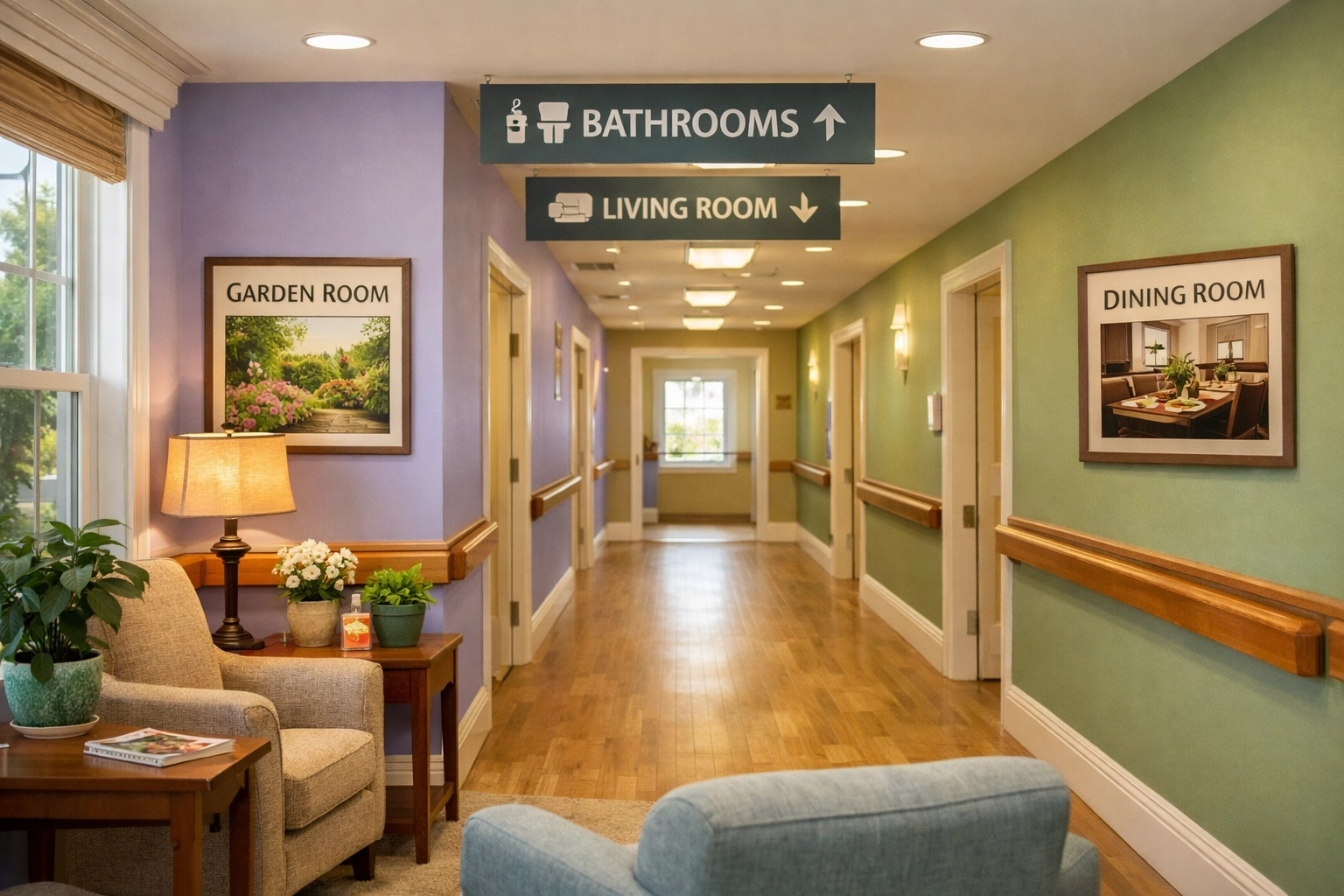
A beautiful but confusing layout can actually make life harder for someone with memory loss. Long, identical hallways are disorienting. Loud, expansive dining rooms are overstimulating. Fancy decor doesn't matter if your mom can't find her way back to her room.
How to Fix It: Evaluate the facility from your loved one's perspective, not your own. Look for:
- Color-coded hallways that help with navigation
- Clear signage with pictures, not just words
- Secure outdoor spaces for safe wandering
- Quieter, smaller dining areas that reduce overstimulation
- Familiar, homelike settings rather than institutional vibes
- Safety features like handrails, non-slip floors, and keypad entries
Ask the staff how they use design to support residents with dementia. If they can't give you specific examples, that's a red flag.
4. Skipping the Safety and Layout Check
The Mistake: You're focused on staff credentials and activities calendars (both important!), but you forget to evaluate the actual physical environment. This is a big miss, because poor facility design can lead to falls, confusion, and safety issues.
Things to watch for: inadequate lighting, lack of backup power, confusing floor plans, missing safety features, no fall prevention measures, or areas where residents could easily get lost or injured.
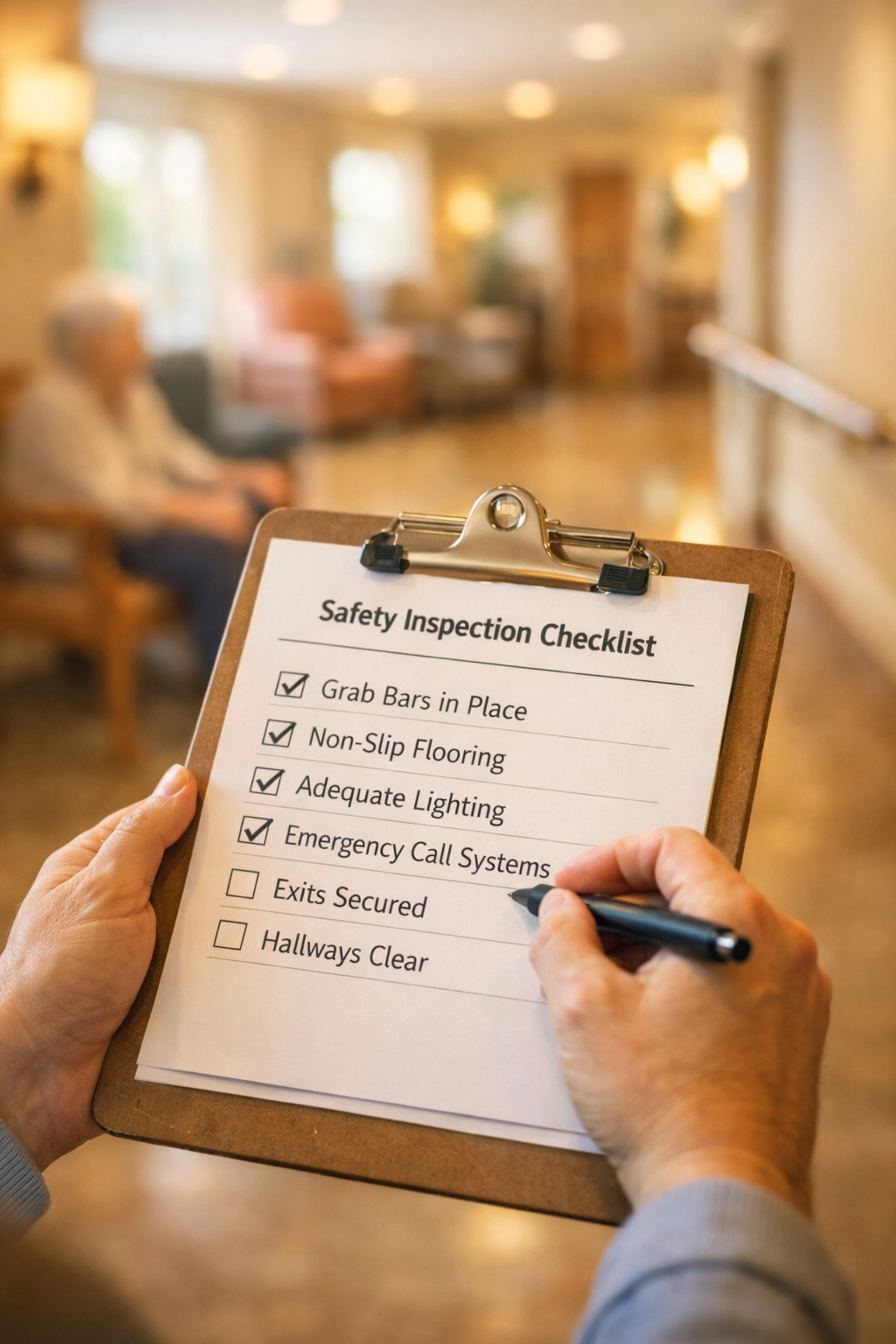
How to Fix It: During your tour, do a safety walk-through. Check for:
- Adequate lighting in all areas, especially hallways and bathrooms
- Backup generators in case of power outages
- Secured exits to prevent wandering off the property
- Non-slip flooring and grab bars in bathrooms
- Clear sightlines so staff can monitor residents
- Emergency call buttons in rooms and common areas
Don't be shy about asking how they handle medical emergencies or what their fall prevention protocols look like. These questions show you're serious: and facilities should welcome them.
5. Choosing Based on What You'd Want, Not What They Need
The Mistake: You imagine yourself in their shoes and think, "I'd love this place!" So you choose the community with the most activities, the biggest apartment, the best chef.
But here's the reality: your loved one with dementia has different needs than you do. They might find a packed activity calendar exhausting. They might get confused in a large apartment. They might not care about gourmet meals.
How to Fix It: Think about your loved one's current abilities, preferences, and stage of dementia. What makes them feel safe and comfortable right now?
If they're social, look for a facility with small-group activities. If they're anxious, prioritize calm environments over busy ones. If they're in late-stage dementia, ensure the facility has experience with end-of-life care.
Match the facility to their needs today: and where those needs are likely to go in the next year or two.
6. Only Considering Their Current Needs
The Mistake: You find a memory care community that's perfect for your dad's early-stage Alzheimer's. Great activities, minimal assistance needed, lots of independence. But you don't ask what happens when he progresses to moderate or late-stage dementia.
Six months later, the facility tells you they can't provide the level of care he now needs. You're back to square one, and your dad has to move again: which is incredibly disruptive for someone with memory loss.
How to Fix It: Ask about the facility's ability to accommodate different stages of dementia. Can they provide care as needs increase? Do they have specialized programs for late-stage residents? What's their policy on transferring residents who need more care?
Some facilities offer tiered care within the same community, so your loved one can stay in a familiar environment even as their needs change. Others may require a move to a nursing home at a certain point.
Knowing this upfront helps you plan and avoid unnecessary transitions.
7. Ignoring the Costs and Financial Planning
The Mistake: You assume all memory care communities in Sarasota cost about the same. Or you focus so much on finding the "right" facility that you don't thoroughly investigate the costs: until you get the first bill and realize there are hidden fees you weren't expecting.
This can lead to serious financial strain or having to move your loved one to a more affordable facility later.
How to Fix It: Get a detailed breakdown of costs from every facility you're considering. Ask about:
- Base monthly rate
- What's included in that rate (meals, activities, medication management, etc.)
- Additional fees for higher levels of care
- Charges for incontinence care, specialized therapies, or medical equipment
- Rate increases and how often they occur
- Payment options and accepted insurance or benefits
Also explore whether your loved one qualifies for veterans benefits, long-term care insurance, or Medicaid. Some facilities have financial counselors who can help you navigate these options.
Don't let cost be the only factor: but don't ignore it, either. Check out our guide on memory care costs for more information.

You Don't Have to Do This Alone
Choosing memory care in Sarasota is complicated. There's a lot to consider, and the stakes feel incredibly high. But avoiding these seven mistakes puts you way ahead of most families.
And here's the thing: you don't have to figure this out by yourself. That's literally what we do. We know the local memory care communities, we understand the questions you should be asking, and we can help you find the right fit for your loved one's needs and your budget.
If you're feeling overwhelmed or just want some guidance, reach out to us. There's no charge for our services, and we're here to make this process easier for you.
Because your loved one deserves the best care: and you deserve some peace of mind.
Leave a Reply